Cameras
Network camera modules and sensors for surveillance and integration.
What actually makes a camera fit for the job
For surveillance and integration work, what matters is not megapixels on their own but the combination of sensor, codec and connection.
Resolution and sensor. A larger sensor at the same resolution performs better at dusk — more light falls on each pixel. So 8 MP on a good sensor beats "8 MP" on a cheap one.
Codec. H.265 compresses noticeably better than H.264 — at the same bitrate the picture is cleaner and the link is loaded less. That becomes critical when video travels over mobile internet.
Power. 12 V is the most common option for fixed installations; leave headroom for voltage drop over a long cable.
The hard part is the link, not the camera
A typical problem: the camera is installed, but you cannot watch it remotely because the ISP hands out a dynamic or carrier-grade NAT address, so port forwarding is impossible.
The right answer is not to punch an inbound connection through, but to push the stream outward to a server. The camera itself initiates an outbound connection and publishes the video (RTSPS / RTMPS), and you watch through the server. This works behind any NAT, needs no public IP, and does not expose the camera to the outside world.
What is in the catalogue
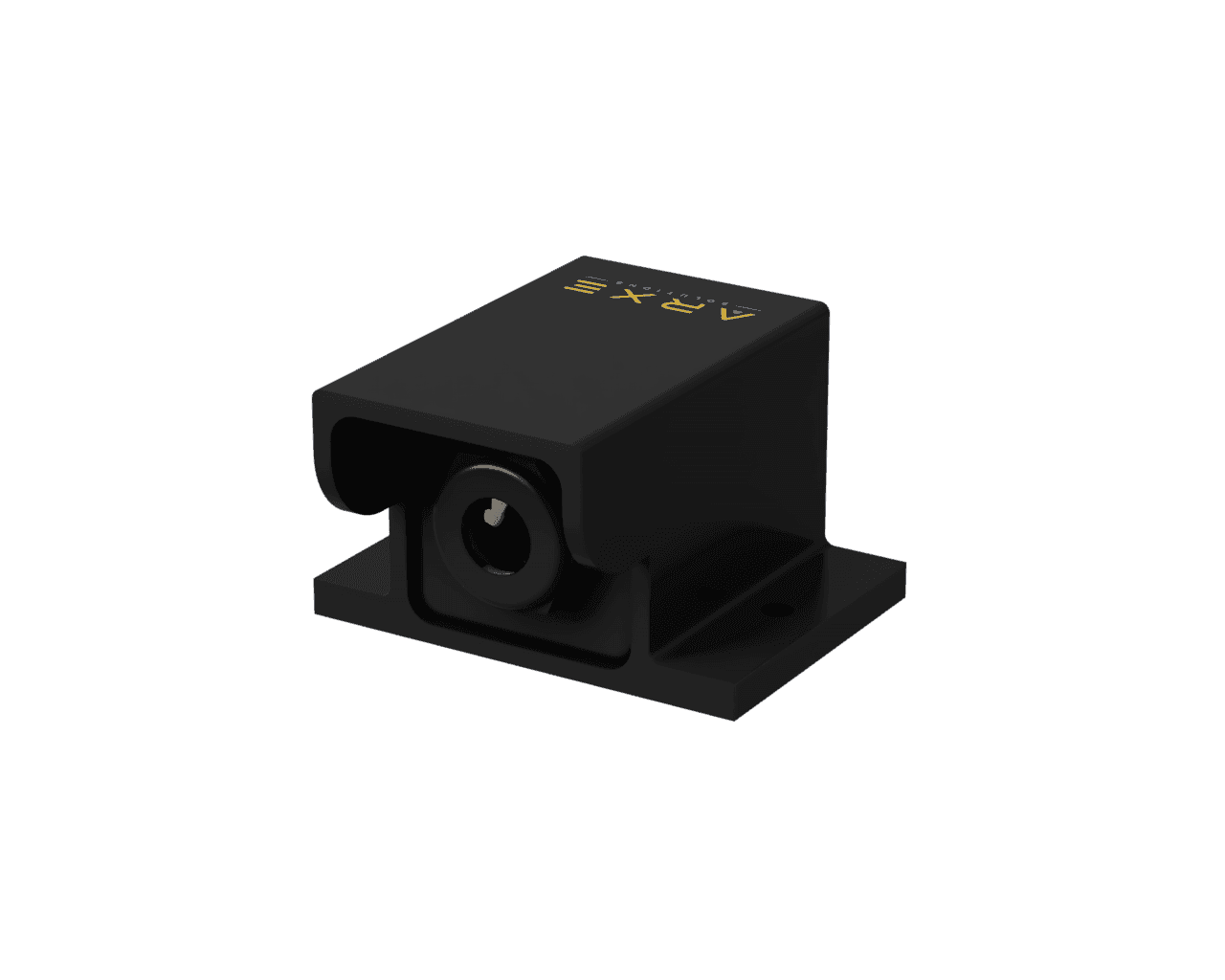
- ARXE CAM — a camera that pushes its stream to a server (RTSPS/RTMPS). Streams at 720p and supports 1080p. Server access and a panel are included. Six-month warranty.
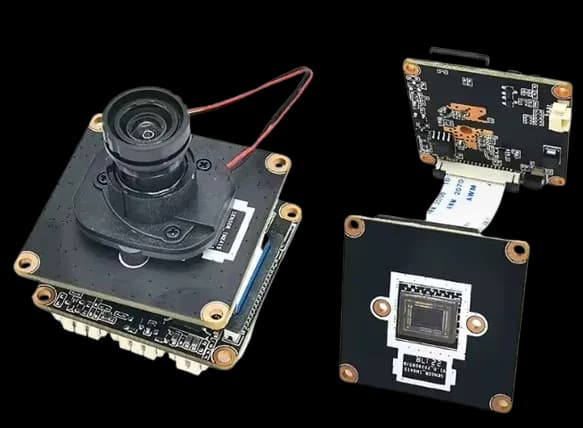
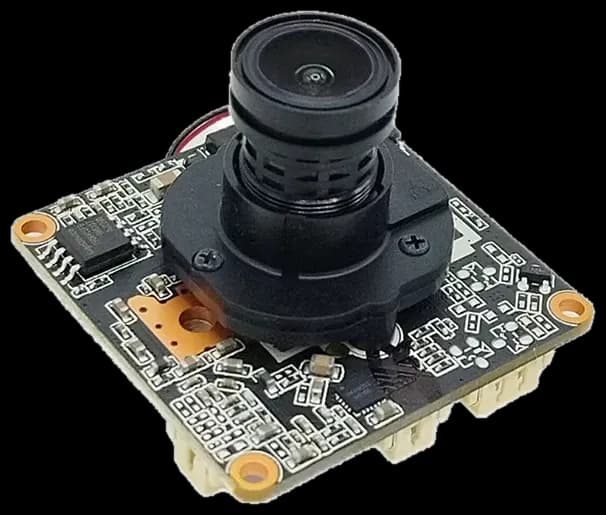
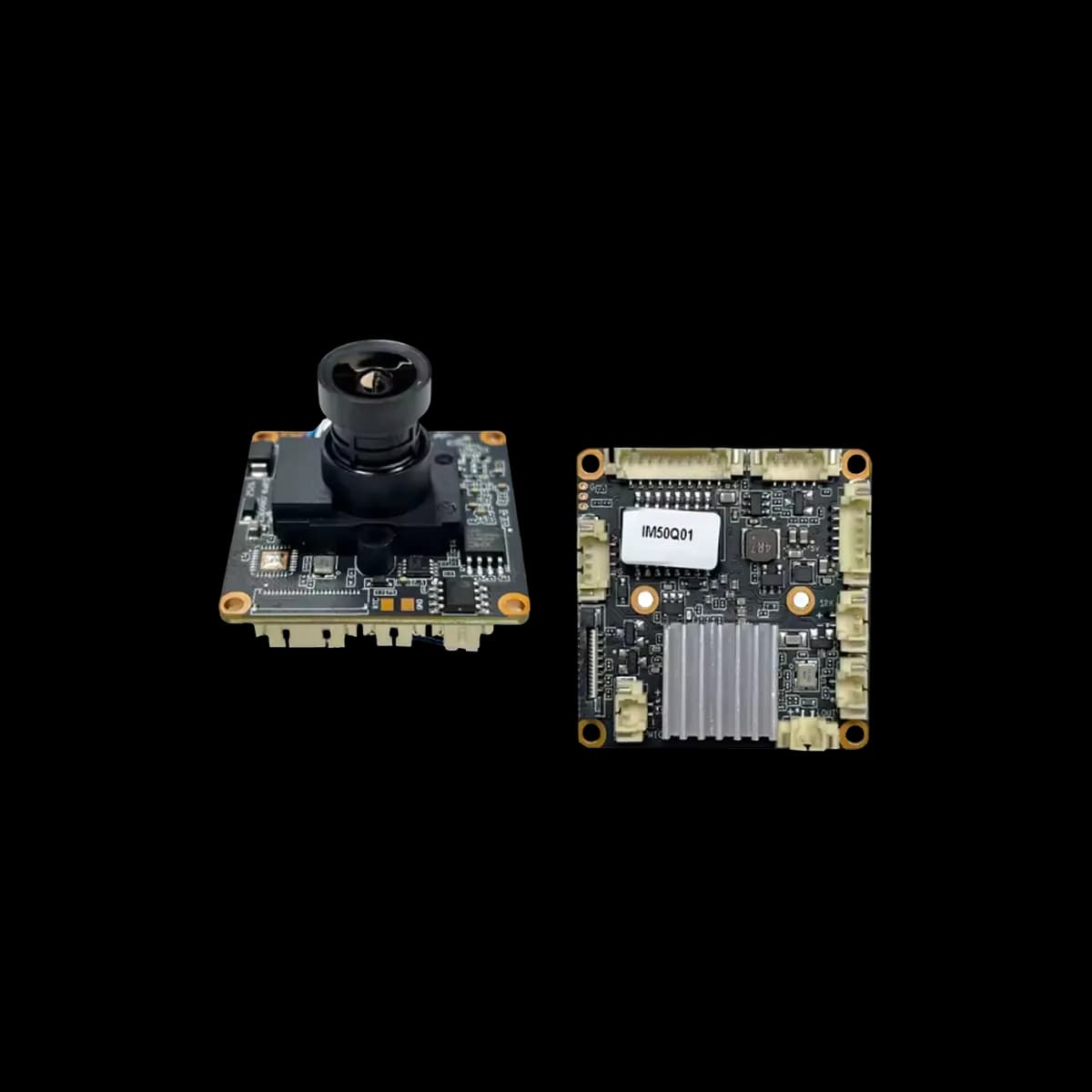
- IP camera SSC338Q + IMX415, 8 MP — a module for integration and surveillance, 12 V power.
Choosing, briefly
If you simply need remote viewing without a static IP, take the push-to-server option. If the camera is going into your own system where a server already exists, a module with the right sensor and codec is enough.
Wholesale discounts are available — get in touch and we will price it for your volume.
Frequently asked questions
- How do I view a camera remotely without a static IP?
- There is no need to punch an inbound connection through. The camera opens an outbound connection and pushes its stream to a server (RTSPS/RTMPS) — this works behind any NAT and does not expose the camera.
- H.265 or H.264?
- H.265 compresses more efficiently: at the same bitrate the picture is cleaner and the link is loaded less. It matters most when video travels over mobile internet.
- What power supply is required?
- 12 V for most fixed installations. Leave headroom for voltage drop over a long cable.
- What is included with ARXE CAM?
- The camera, a cable and access to the server panel. Warranty is six months.
- Do you offer wholesale discounts?
- Yes. Get in touch and we will price it for your volume.