How to choose an omnidirectional antenna for SDR
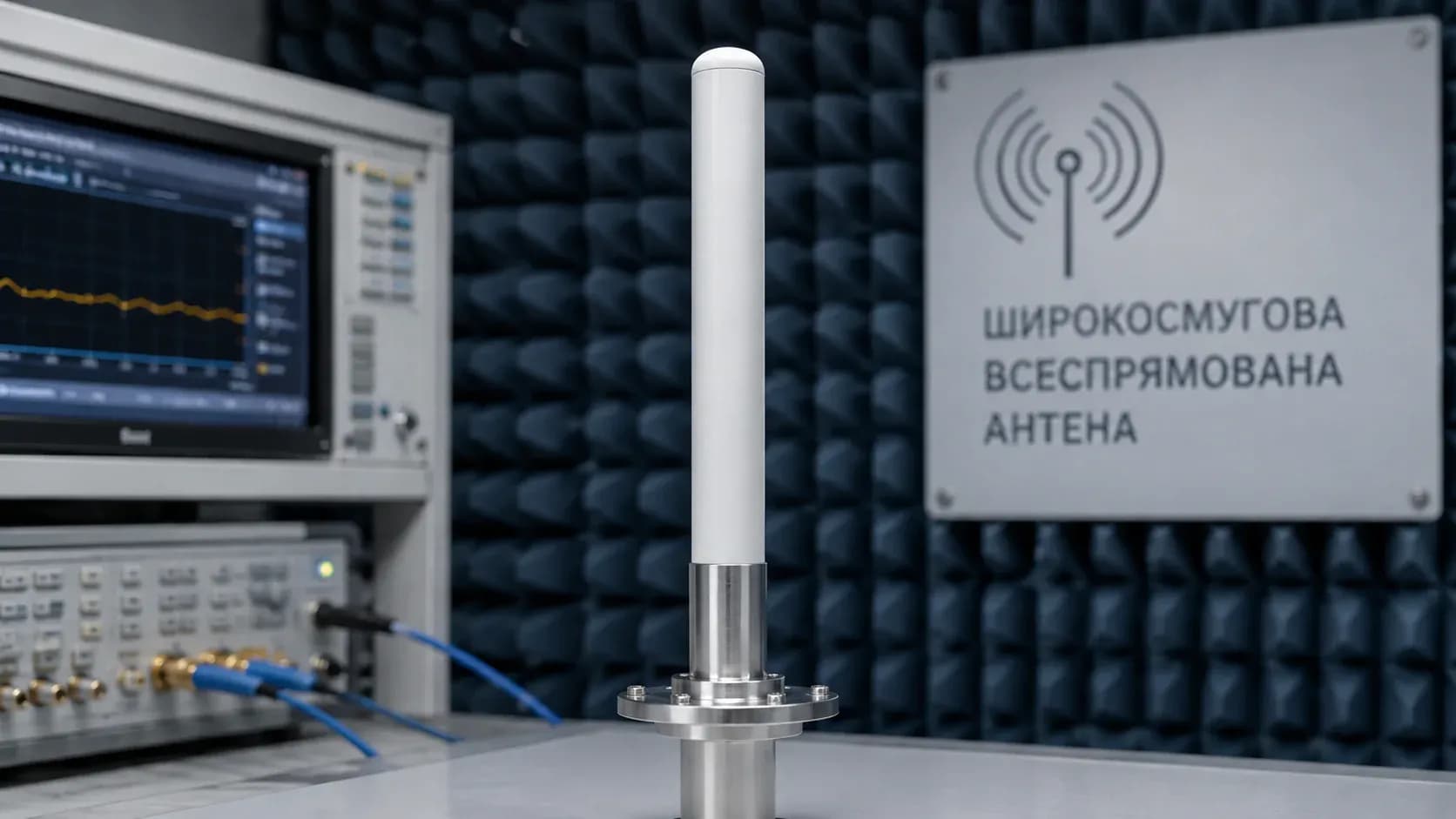
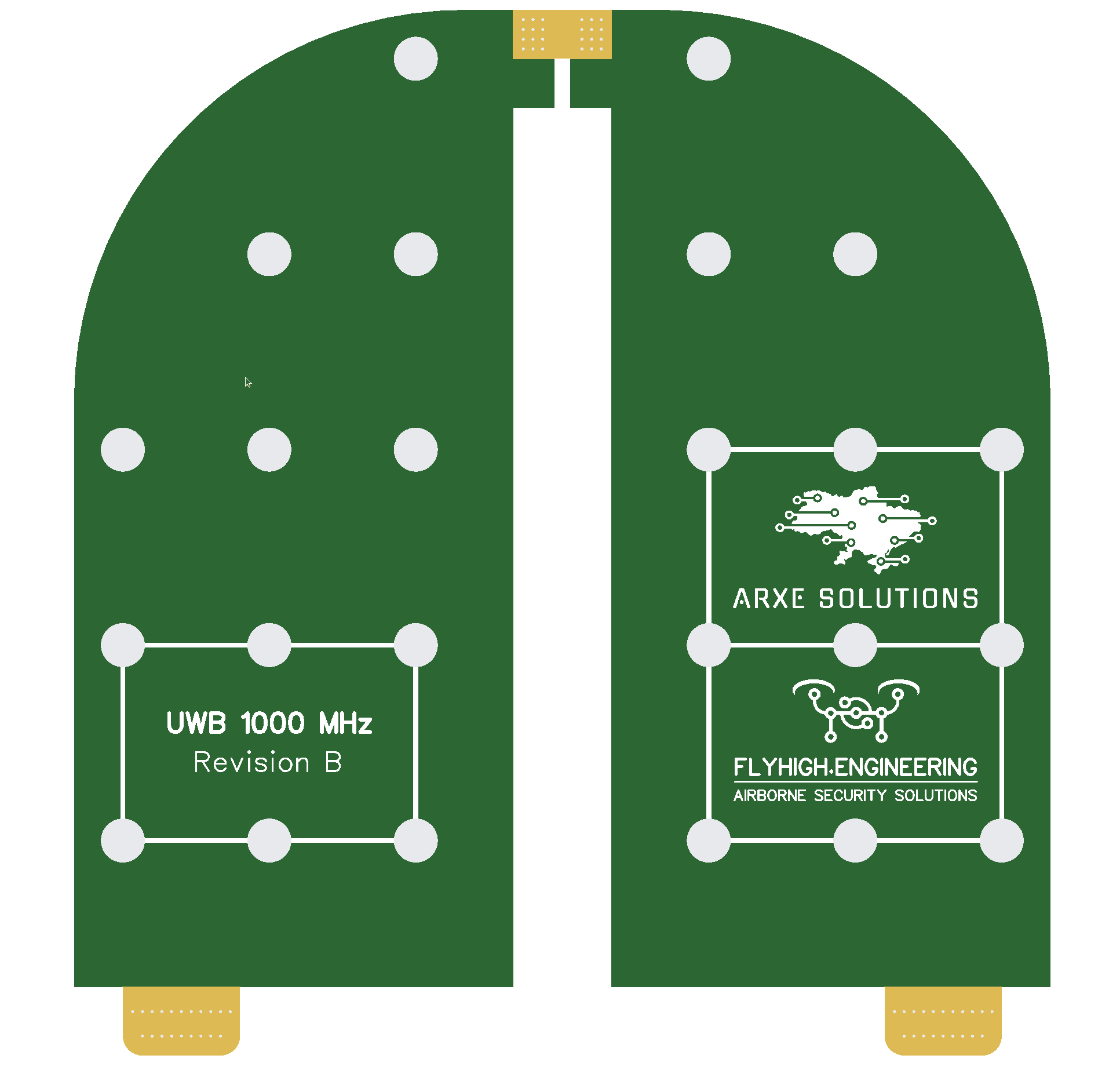
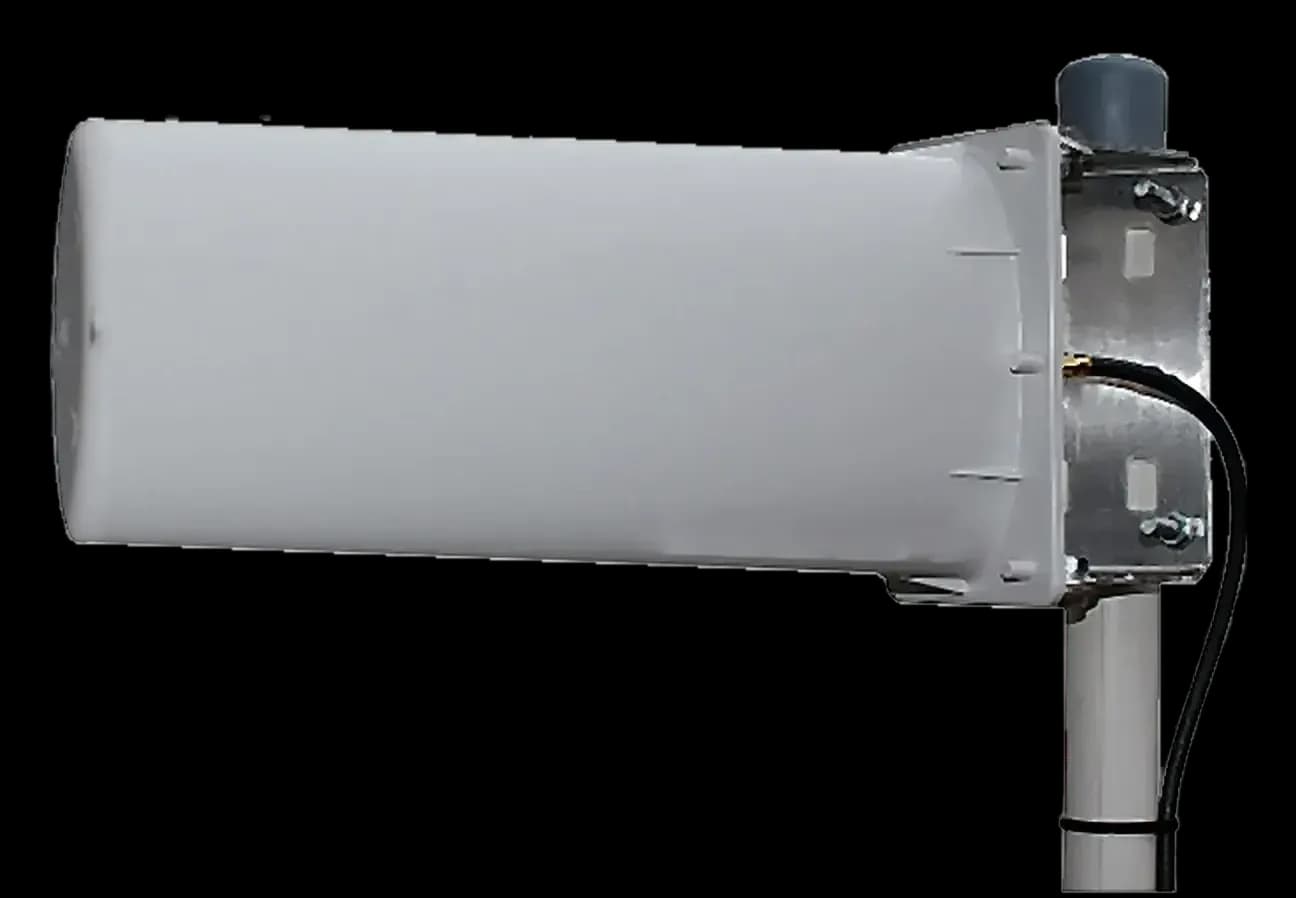
An omnidirectional antenna receives from every direction without aiming. How to pick the band, connector and weight for SDR monitoring — across three models.

An omnidirectional antenna receives from every direction without aiming. How to pick the band, connector and weight for SDR monitoring — across three models.

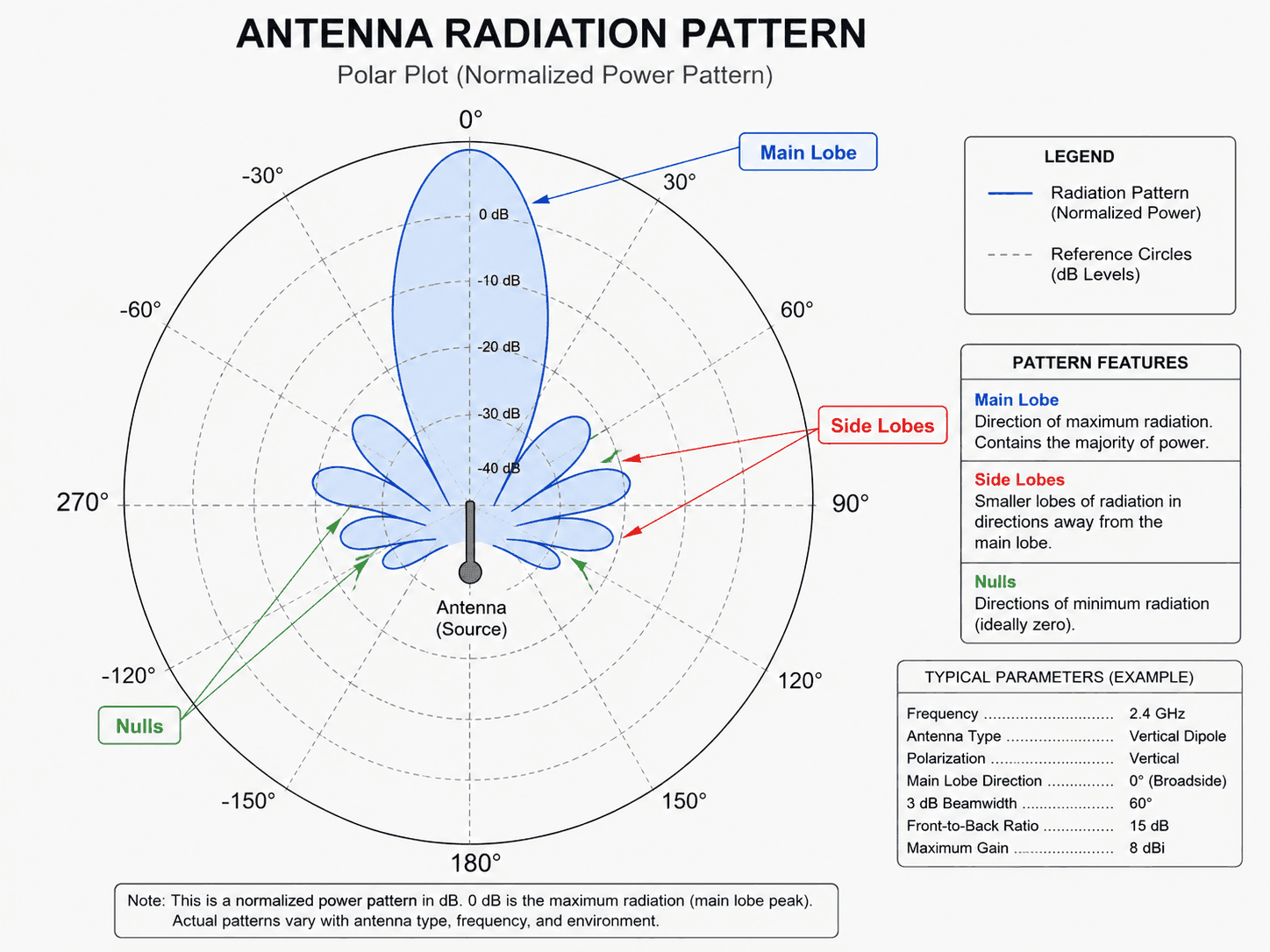
What a radiation pattern shows — main lobe, side lobes and nulls — and how its shape drives your choice of antenna for FPV and SDR.

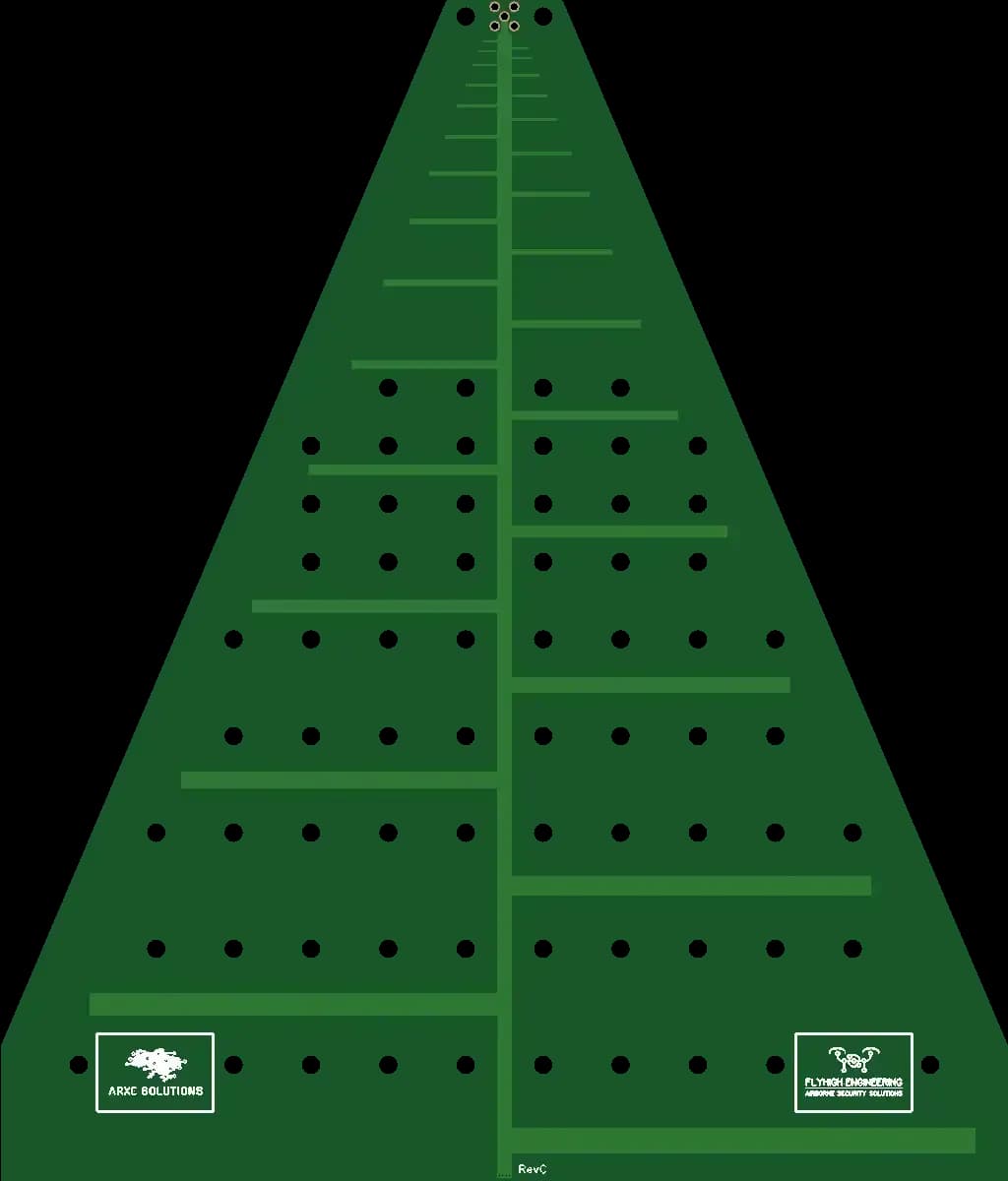
When a log-periodic antenna suits SDR and FPV, what directionality and the 530–6000 MHz band buy you, and what to watch when mounting it.

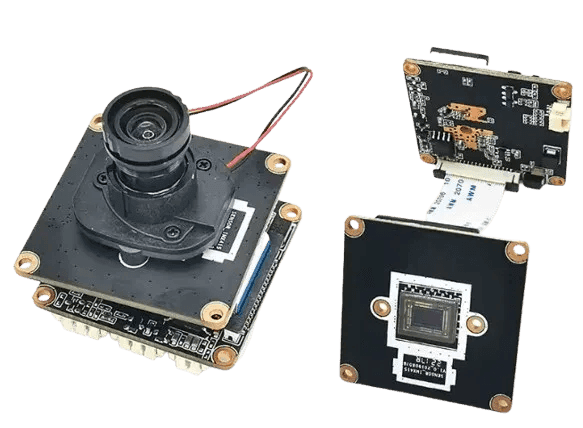
Megapixels do not give you range — the lens does. How to work out pixels per metre, when 8 MP pays off, and which specs matter beyond resolution.

When 360° coverage beats gain: how to read an omnidirectional pattern, where 8.8 dBi comes from, and what actually decides link quality.

How to keep video connectivity reliable in the field on dynamic IPs (CGNAT): focus on data-transfer protocols rather than a static network — RTSP/RTSPS, DDNS, VPN tunneling, jump box.

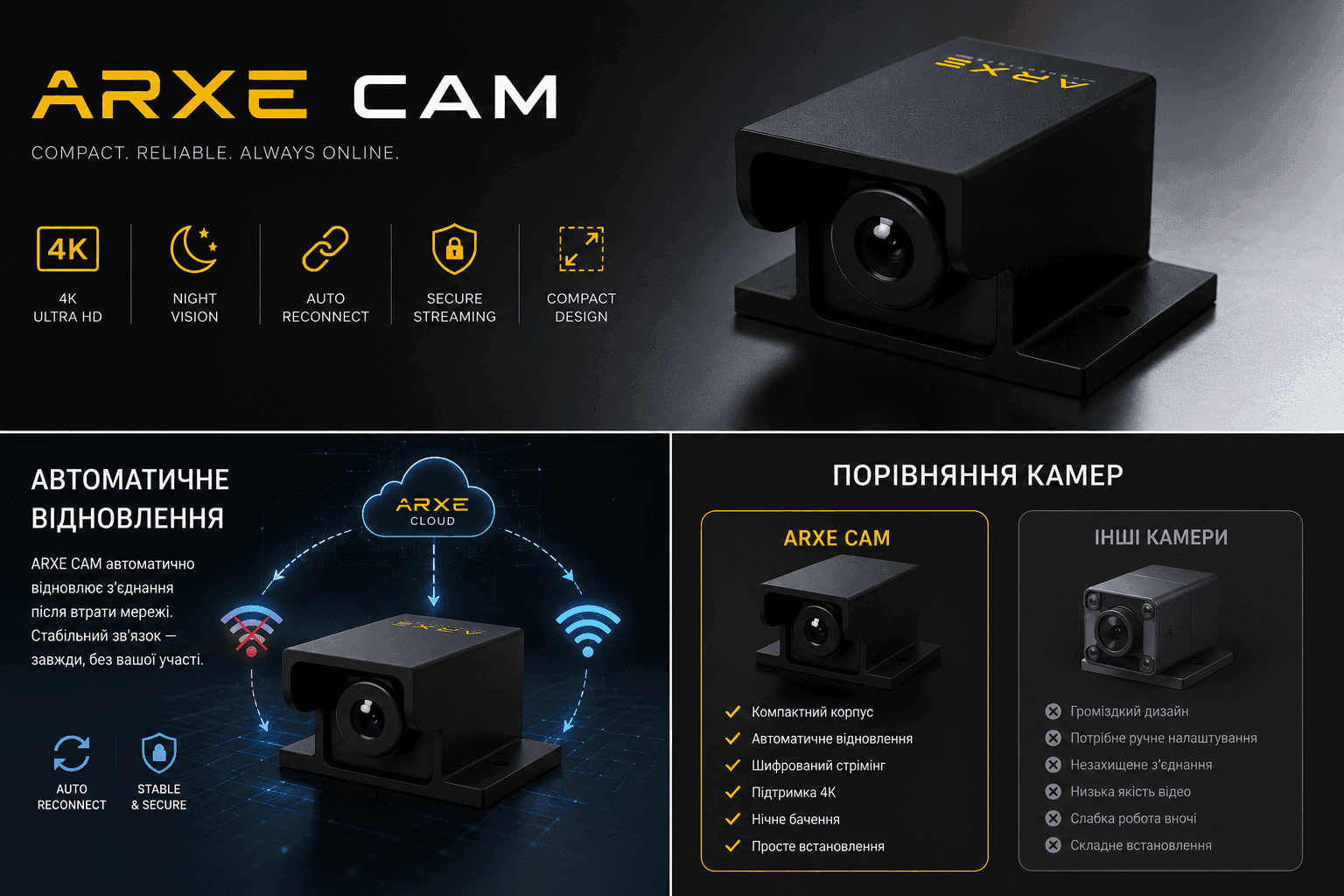
A camera that runs its own stream to a server without a static IP: how it works, who it suits, specifications and the real cost of ownership.

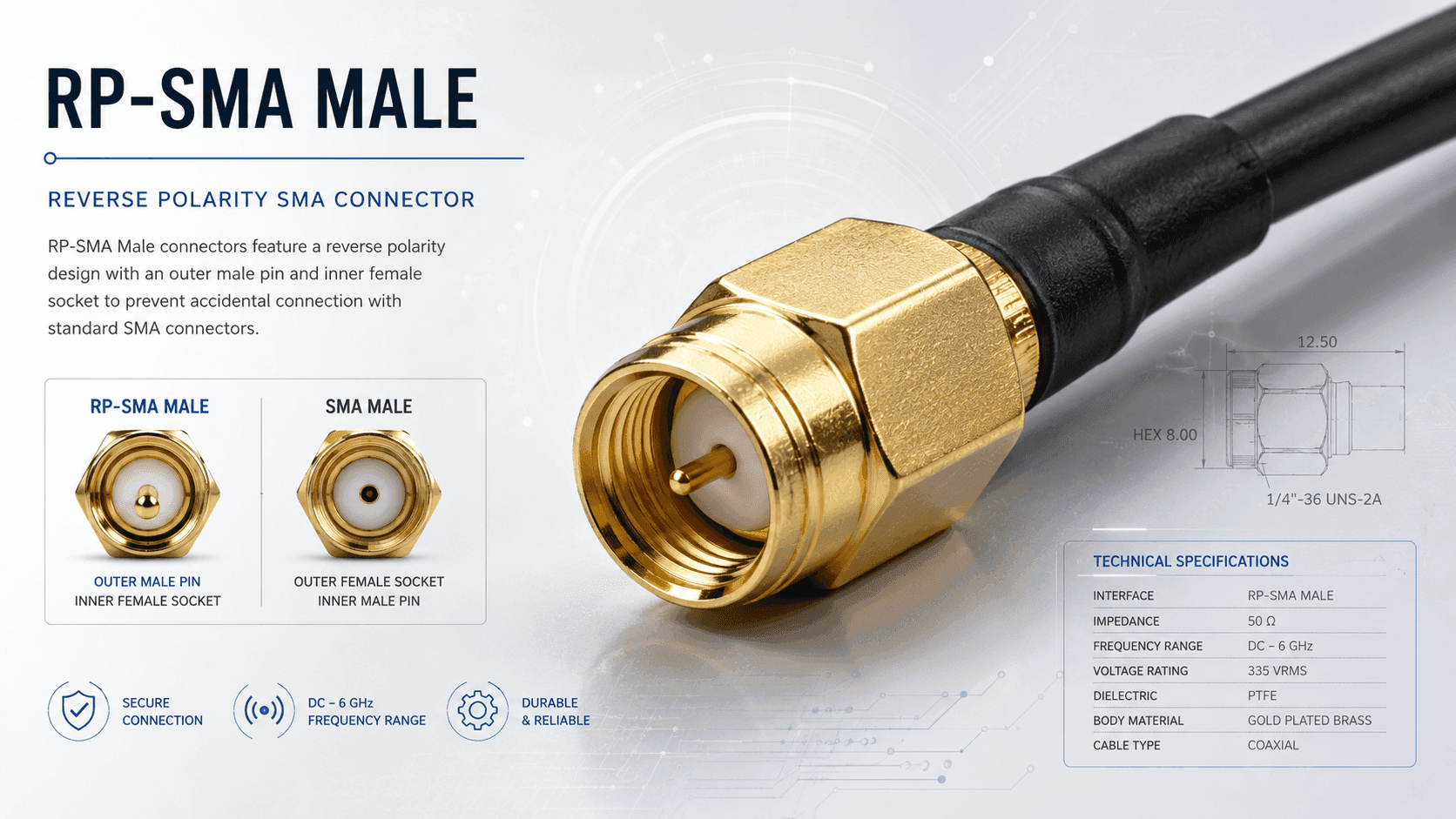
A step-by-step guide to connecting an external antenna via an RP-SMA Male connector to improve 4G signal: choosing a 50-ohm cable, reverse polarity, 2×2 MIMO, antenna orientation and checking RSRP/SINR.

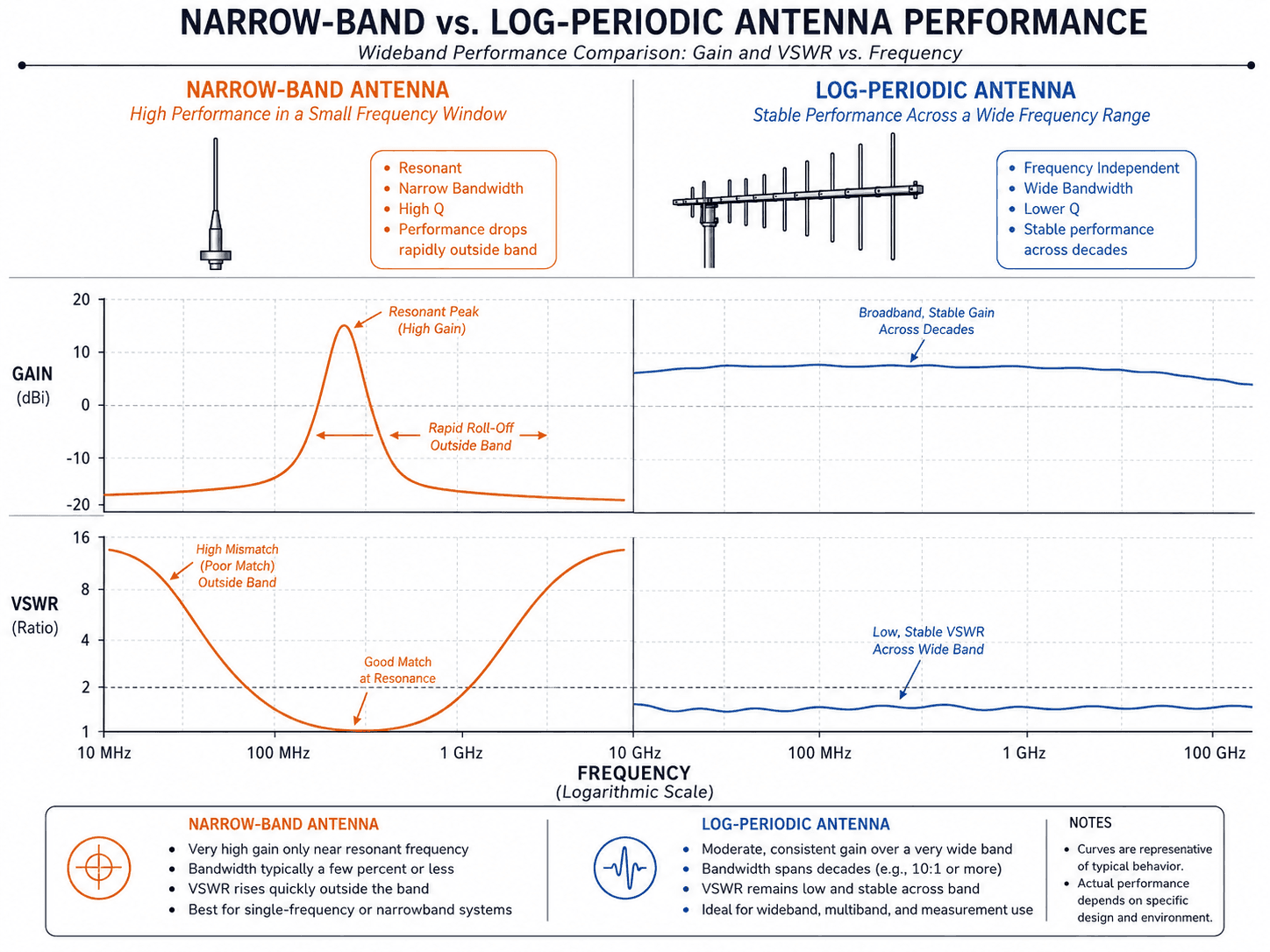
A comparison of narrowband antennas and Log Periodic Dipole Antennas (LPDAs): choosing the right antenna based on whether you need peak efficiency at a narrow frequency or stable performance across a wide spectrum.

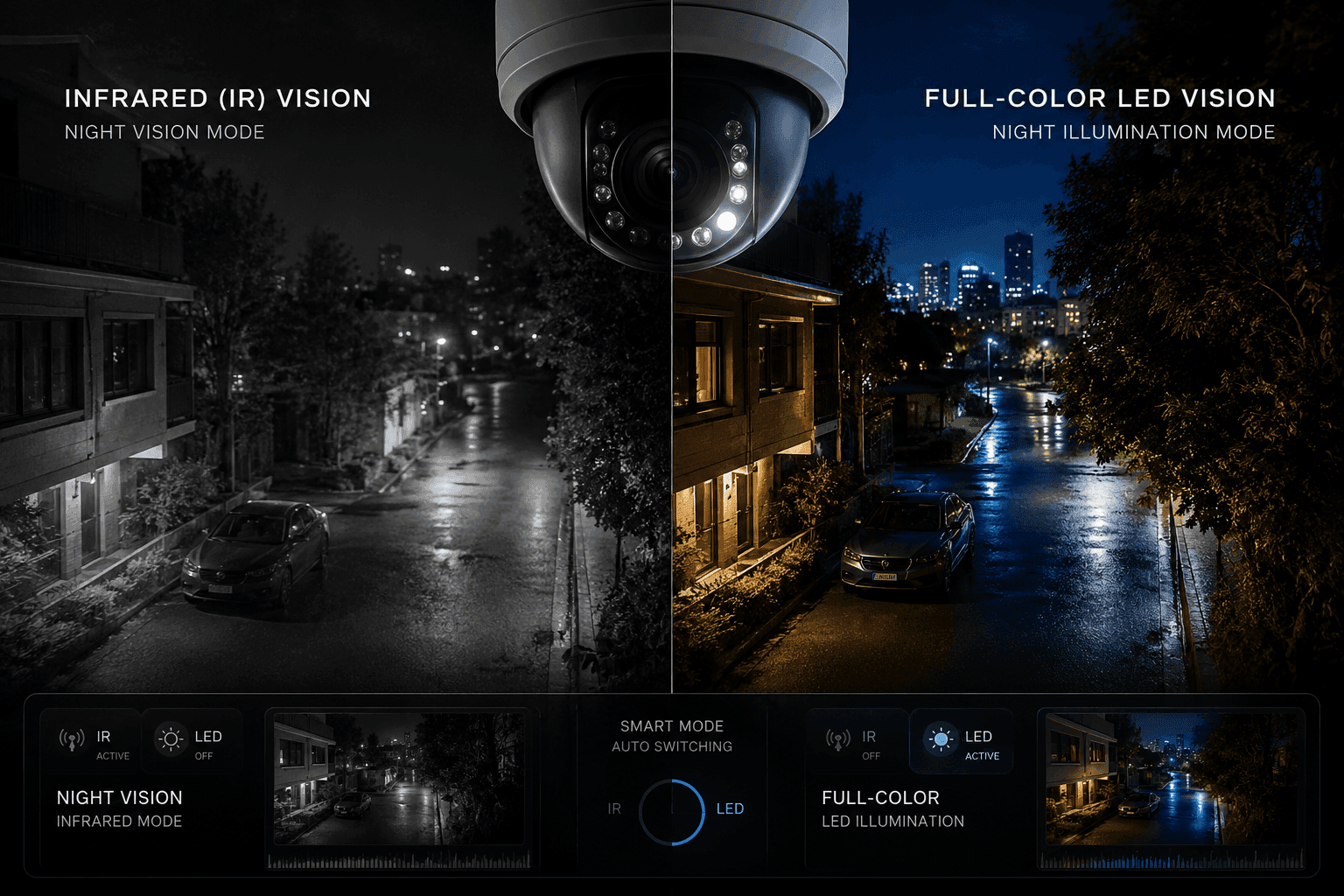
A detailed comparison of infrared (IR) versus full-color night vision technologies, helping you choose the right camera based on your priority: maximum range or colour identification.

Open firmware OpenIPC made digital FPV affordable: HD picture, low latency and efficient H.265 on inexpensive hardware. How it works and where it’s used — from civilian tasks to reconnaissance and observation.

The eye sees an FPV seconds before impact. The radio spectrum sees it much earlier — the moment the video transmitter switches on. Why spectrum reconnaissance became its own discipline, and what intercepted video actually gives the operator.