Antennas
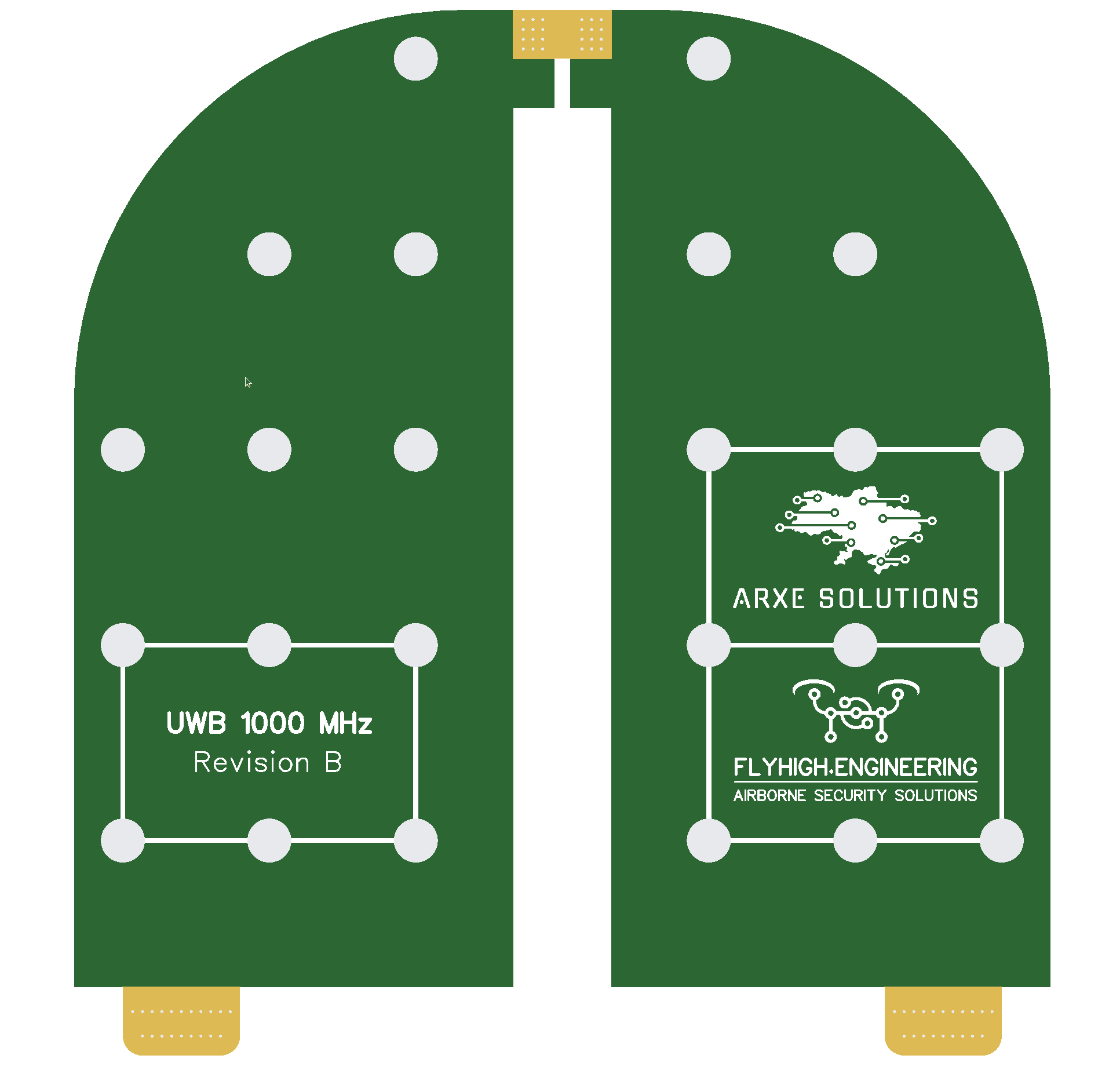
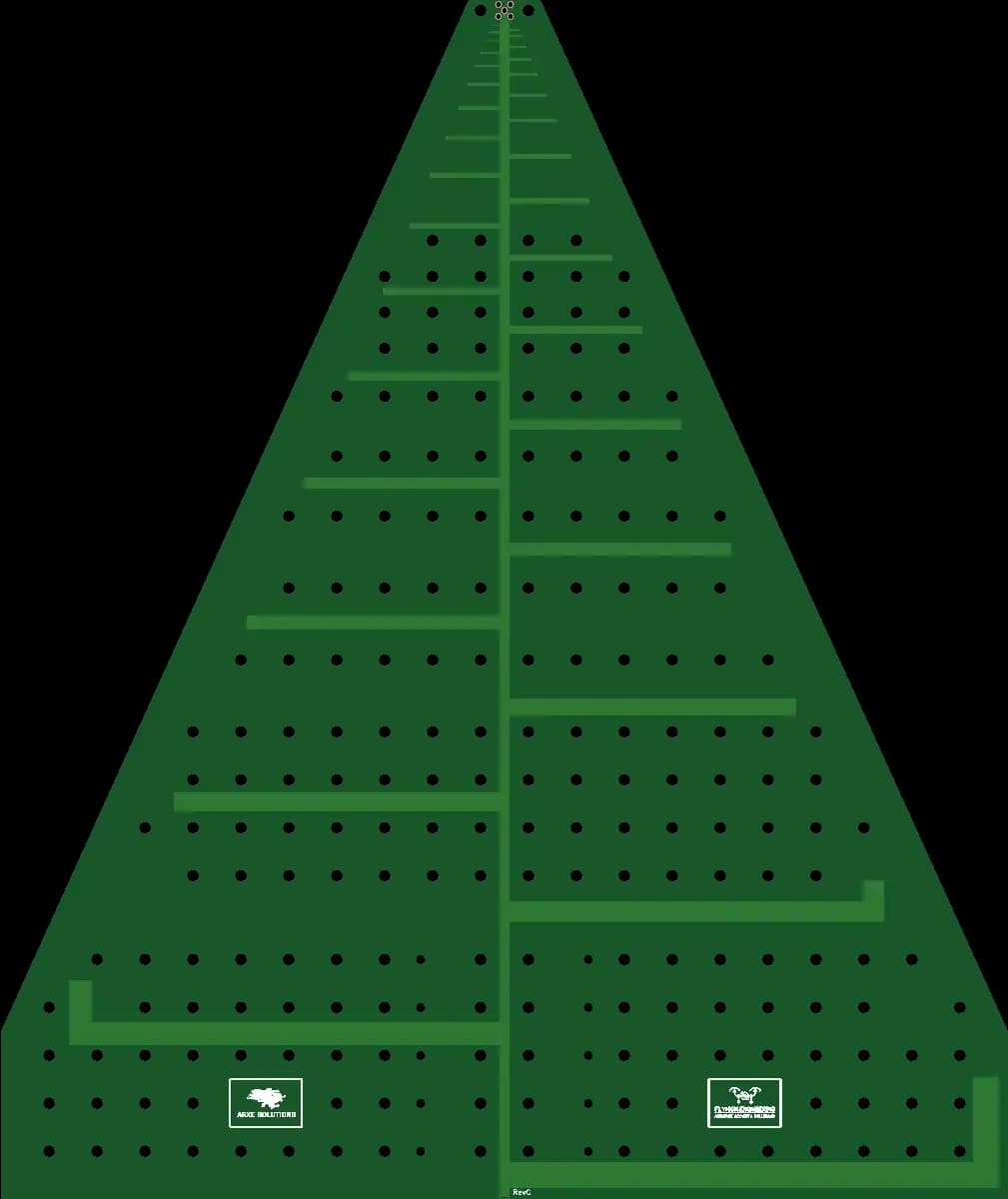
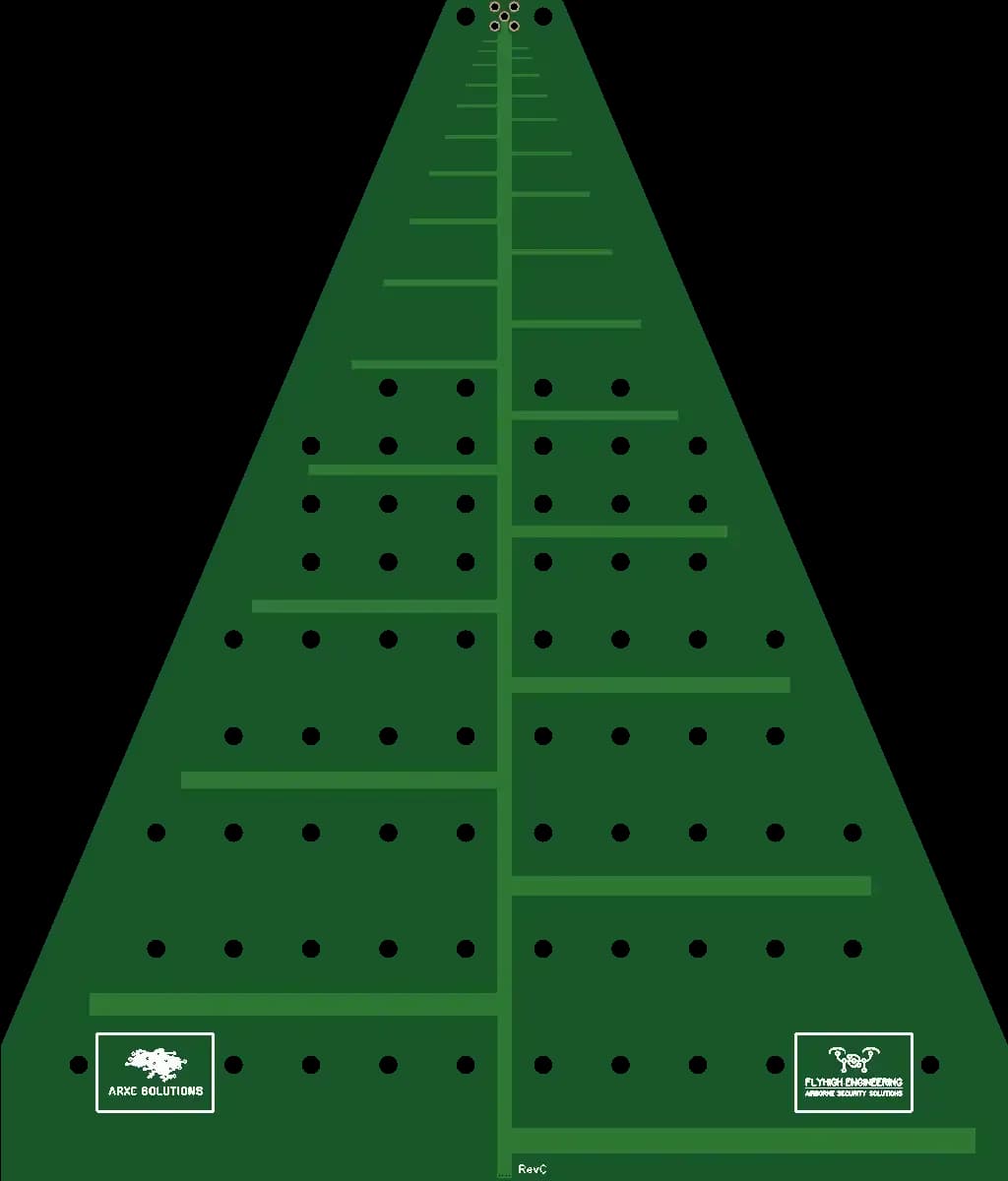
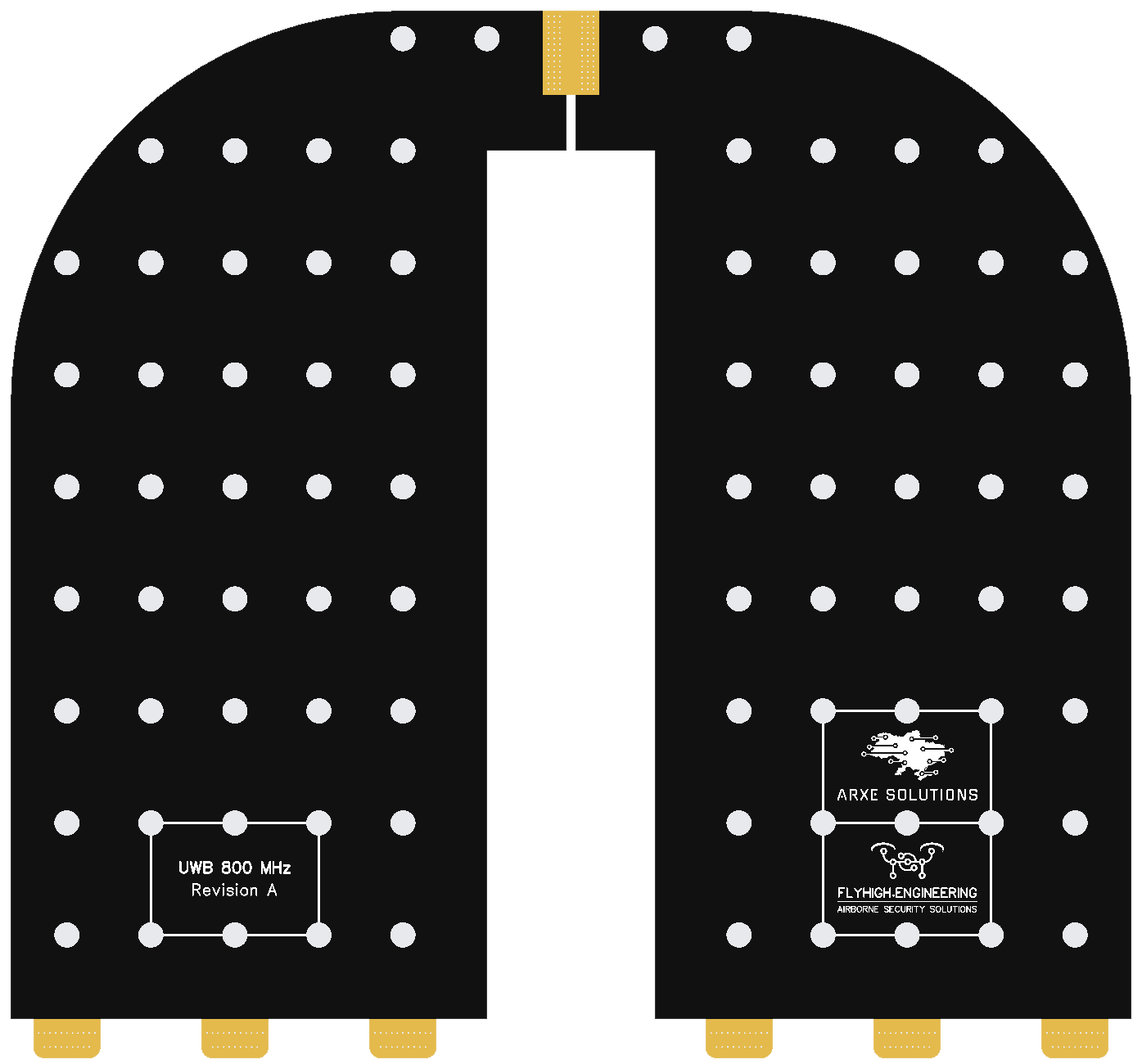
In-house omnidirectional and directional antennas.
Choosing an antenna for the job
Antenna choice comes down to one question: do you know the direction to the other end, and does it stay constant? If yes, take a directional antenna — it gives you more range and, often more importantly, it will not hear interference from the sides. If the direction is unknown, there are several correspondents, or they keep moving, you need an omnidirectional.
Next, look at the frequency range. A broadband antenna works across its whole range with no retuning, so a single antenna covers both 2.4 and 5.8 GHz. A narrowband one performs better at a single point but falls off quickly outside it.
Gain is not "power" — it is redistribution: energy is taken from some directions and added to others. That is why a high-gain antenna has a narrower lobe and reacts more sharply to tilt and mounting height. A useful rule of thumb: +6 dB is roughly double the range, all else being equal.
What we manufacture
The catalogue holds three antennas of our own production:
- Broadband Omni Disc 1–8 GHz — 360° coverage in the horizontal plane, gain up to 8.8 dBi at 5800 MHz, linear polarization, 50 Ohm, RP-SMA Male connector, input power up to 200 W.
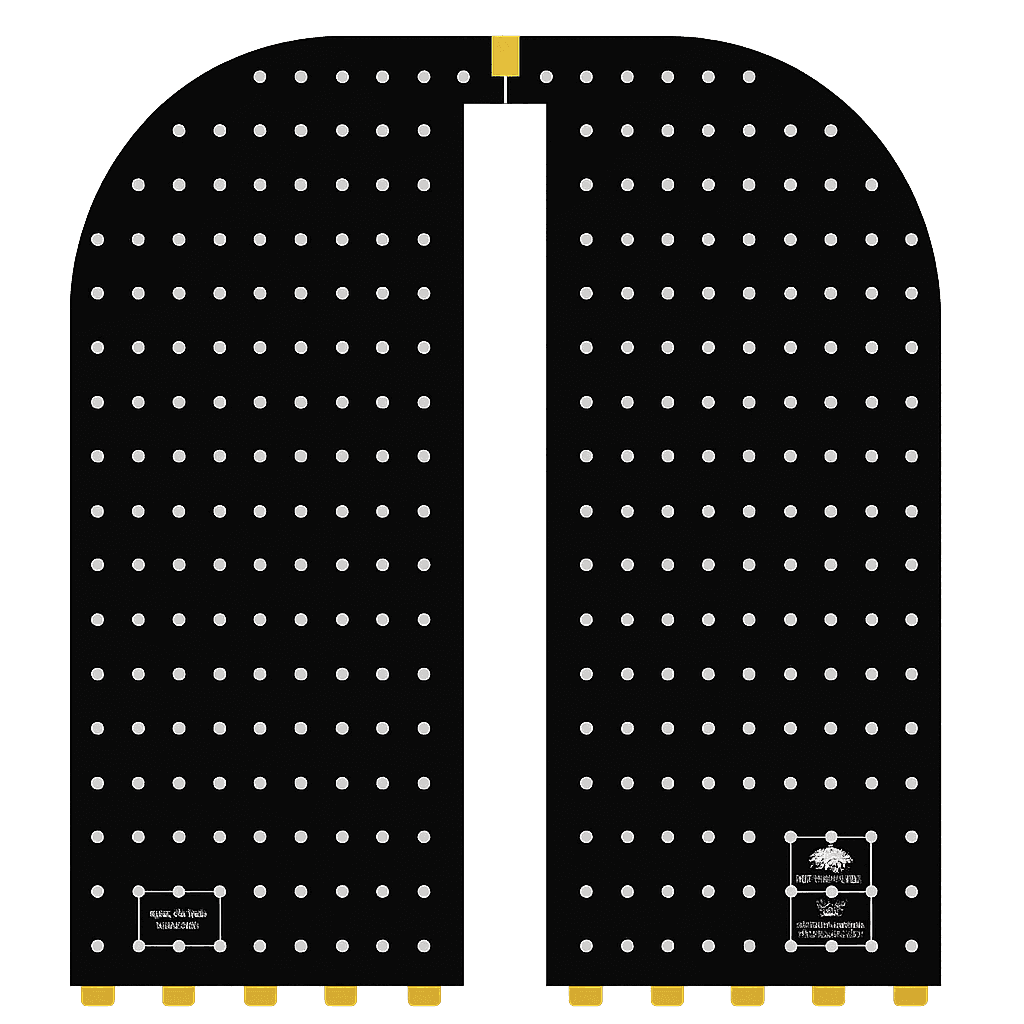
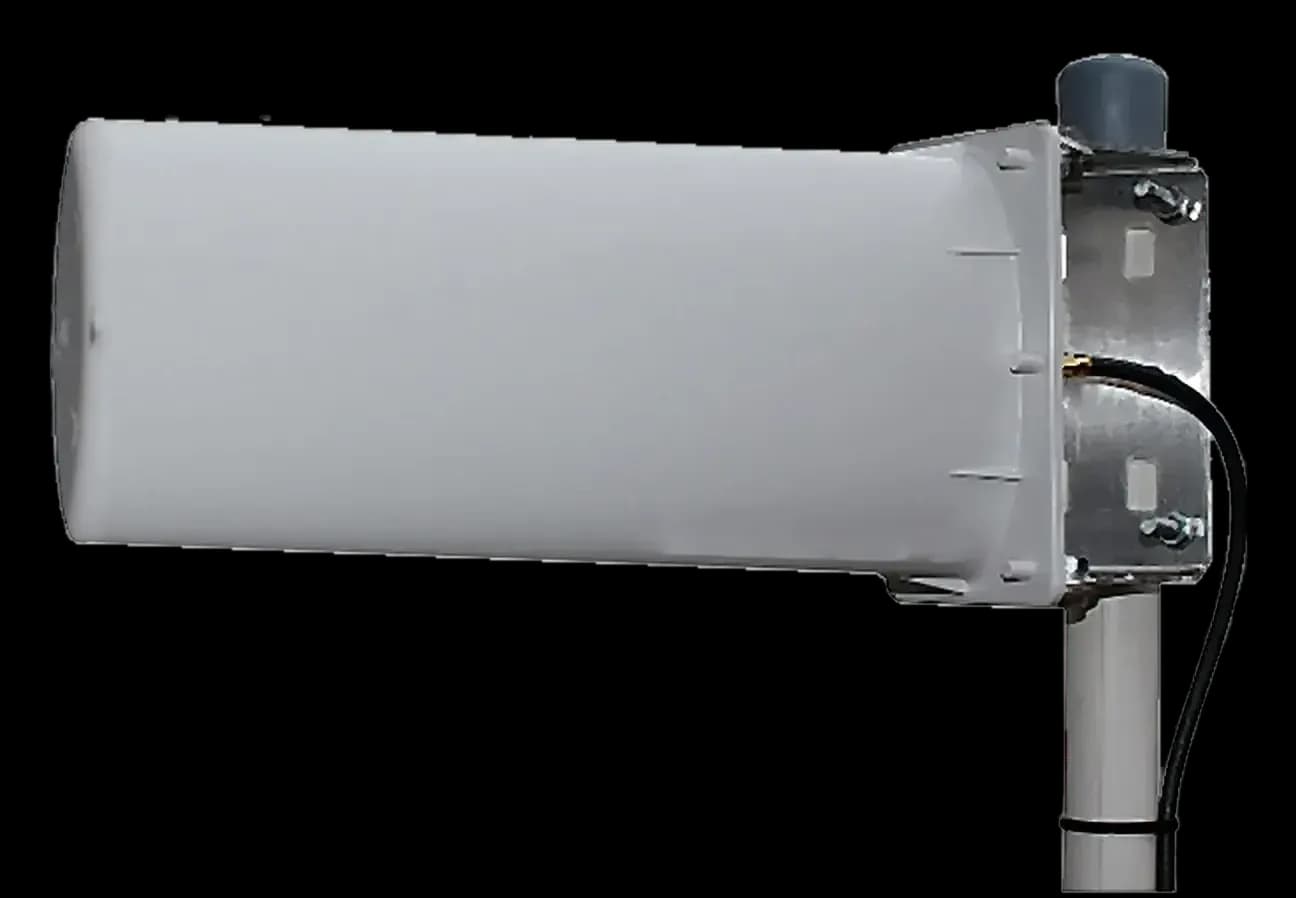
- Log-Periodic 530–6000 MHz — directional, for stable reception and transmission with no retuning.
- Log-Periodic 300–6000 MHz — the same, with wider reach at the low end when you need lower frequencies.
All three suit SDR, FPV, telemetry and radio monitoring.
What matters besides the spec sheet
The biggest losses happen not in the antenna but around it.
Polarization. Linear against circular costs you roughly 3 dB for nothing. Rotating linear against linear by 90° costs far more.
Height and a clear horizon. An antenna behind a parapet, down in a dip or behind a metal vehicle body loses more than any amount of gain can give back.
Cable and connector. At 5.8 GHz cable losses climb steeply — a few metres of cheap feedline can eat the entire benefit of the antenna. An RP-SMA connector is easy to confuse with ordinary SMA: the thread is identical, the centre contact is inverted.
Wholesale discounts are available — get in touch and we will price it for your volume.
Frequently asked questions
- Should I choose a directional or an omnidirectional antenna?
- If the direction is known and constant, choose directional: more range and rejection of side interference. If the direction is unknown, there are several correspondents, or they move — choose omnidirectional.
- What does 8.8 dBi of gain mean?
- It is not extra power but redistribution: energy is taken from some directions and added to others. As a rule of thumb, +6 dB roughly doubles the range, all else being equal.
- Can one antenna cover both 2.4 and 5.8 GHz?
- Yes, if it is broadband. Our Omni disc antenna works across 1–8 GHz with no retuning and covers both bands.
- How does RP-SMA differ from SMA?
- The thread is identical but the centre contact is inverted. They are easy to confuse, so check which one your equipment uses before ordering.
- Do you offer wholesale discounts?
- Yes. Get in touch and we will price it for your volume.