Base Station Antenna Ratings: Why the Sirio SPH-1.5÷6-17 Tops the List
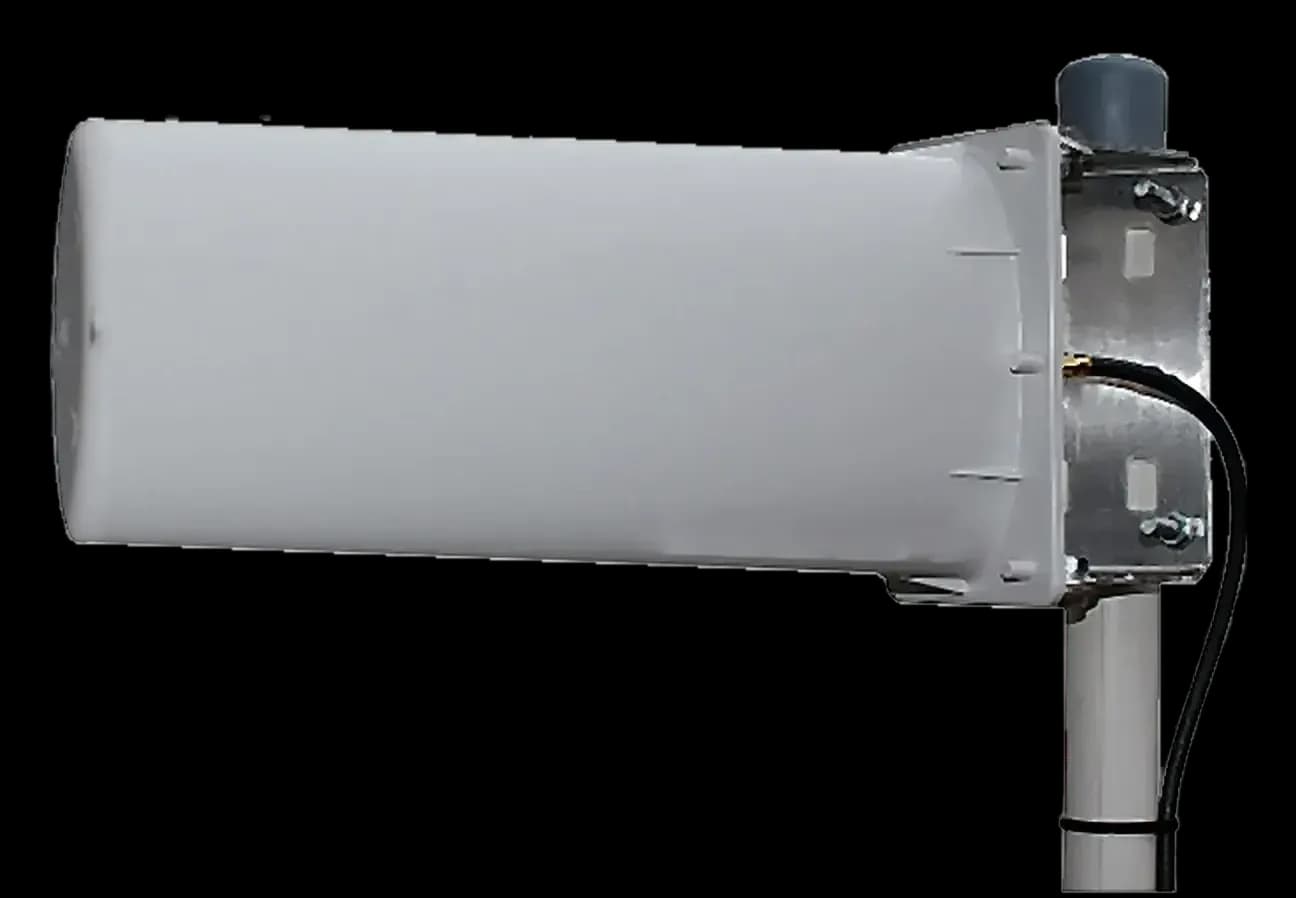
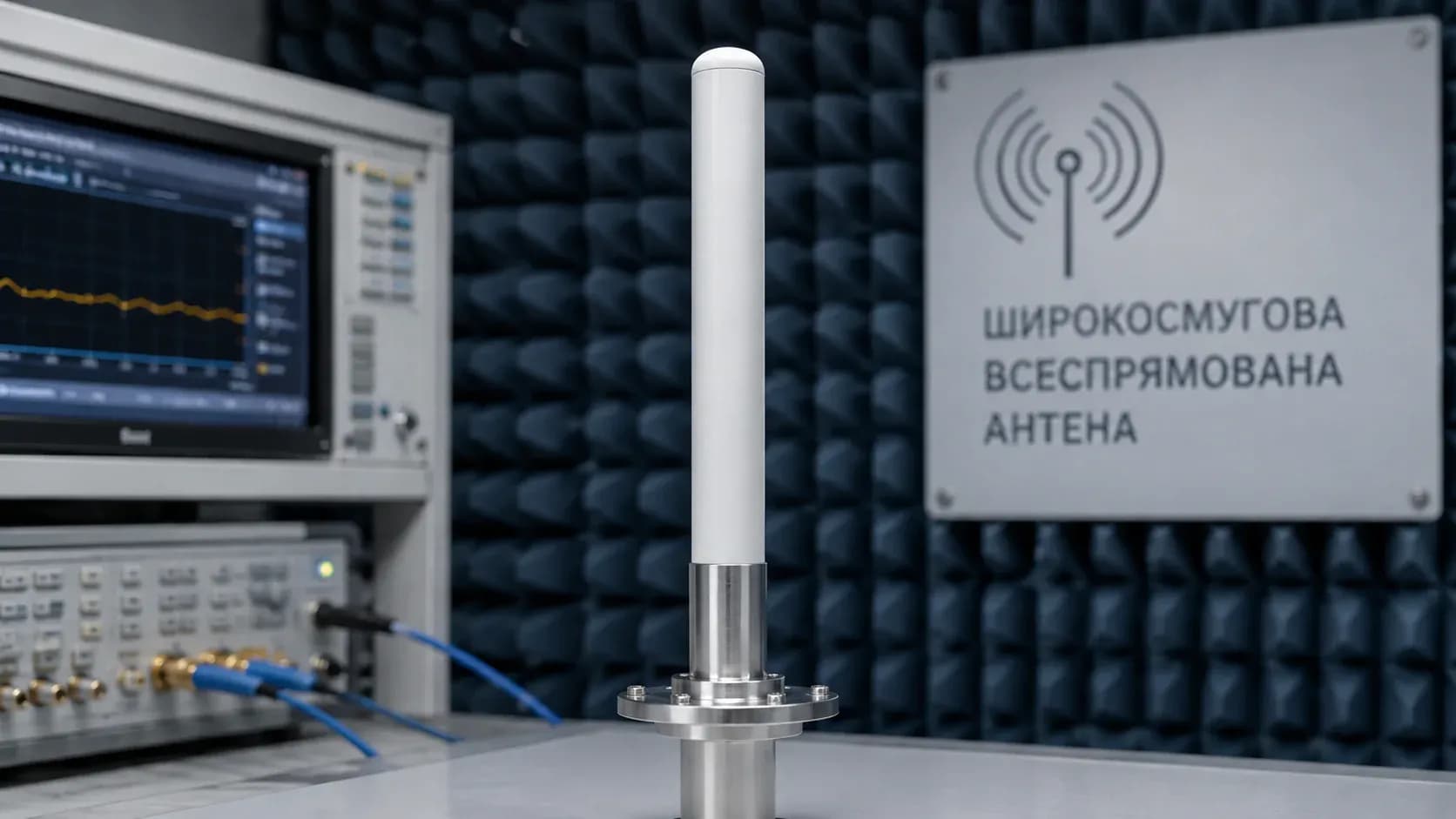
Choosing an antenna for base stations often involves balancing performance and versatility. The Sirio SPH-1.5÷6-17 stands out with its wide frequency range from 1.5 to 6 GHz, making it ideal for technologies like 4G/5G, Wi-Fi, and WiMAX. Let's dive into why this model leads the ratings.
What Makes the Sirio SPH-1.5÷6-17 Impressive: From Stability to Power
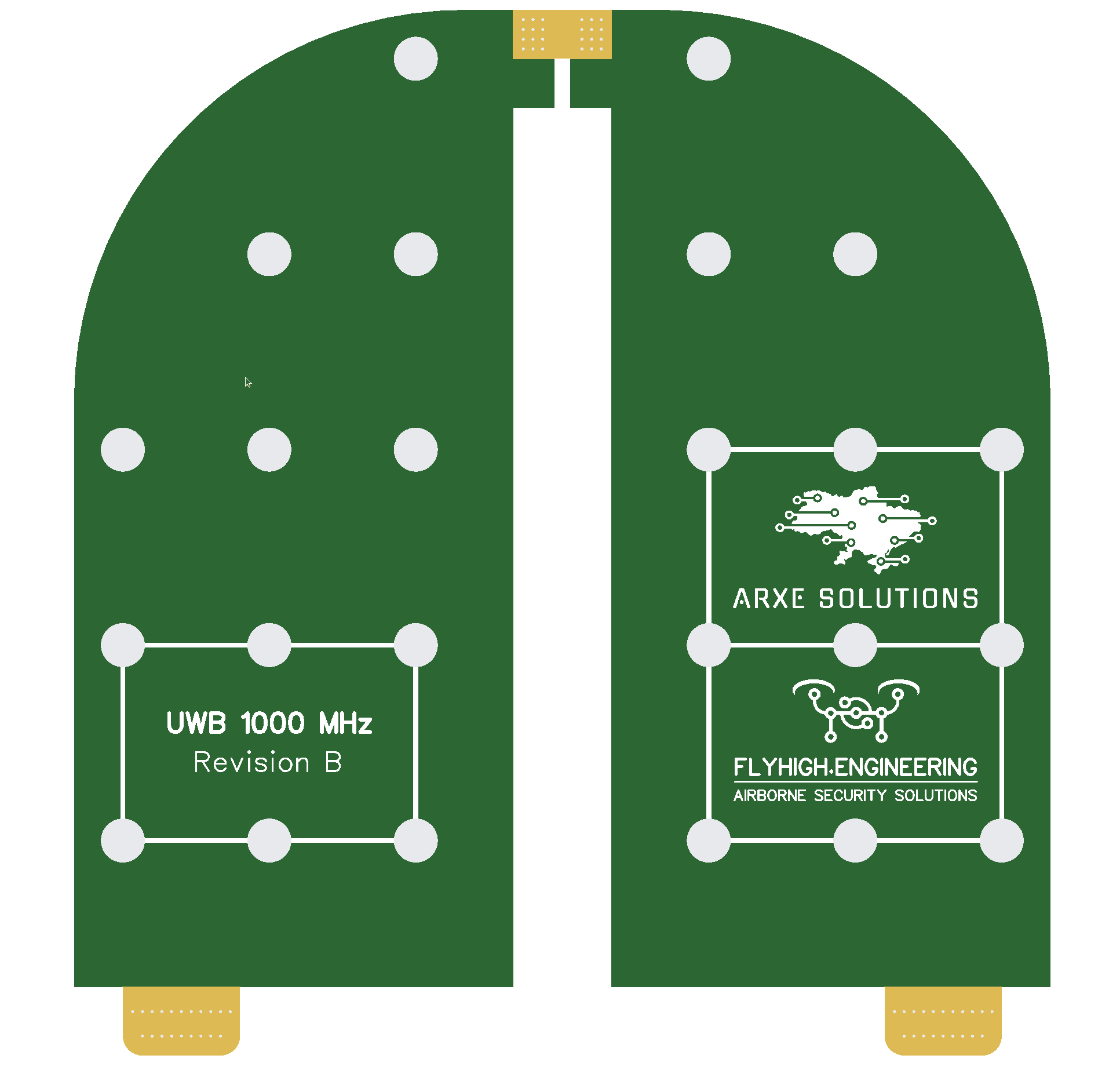
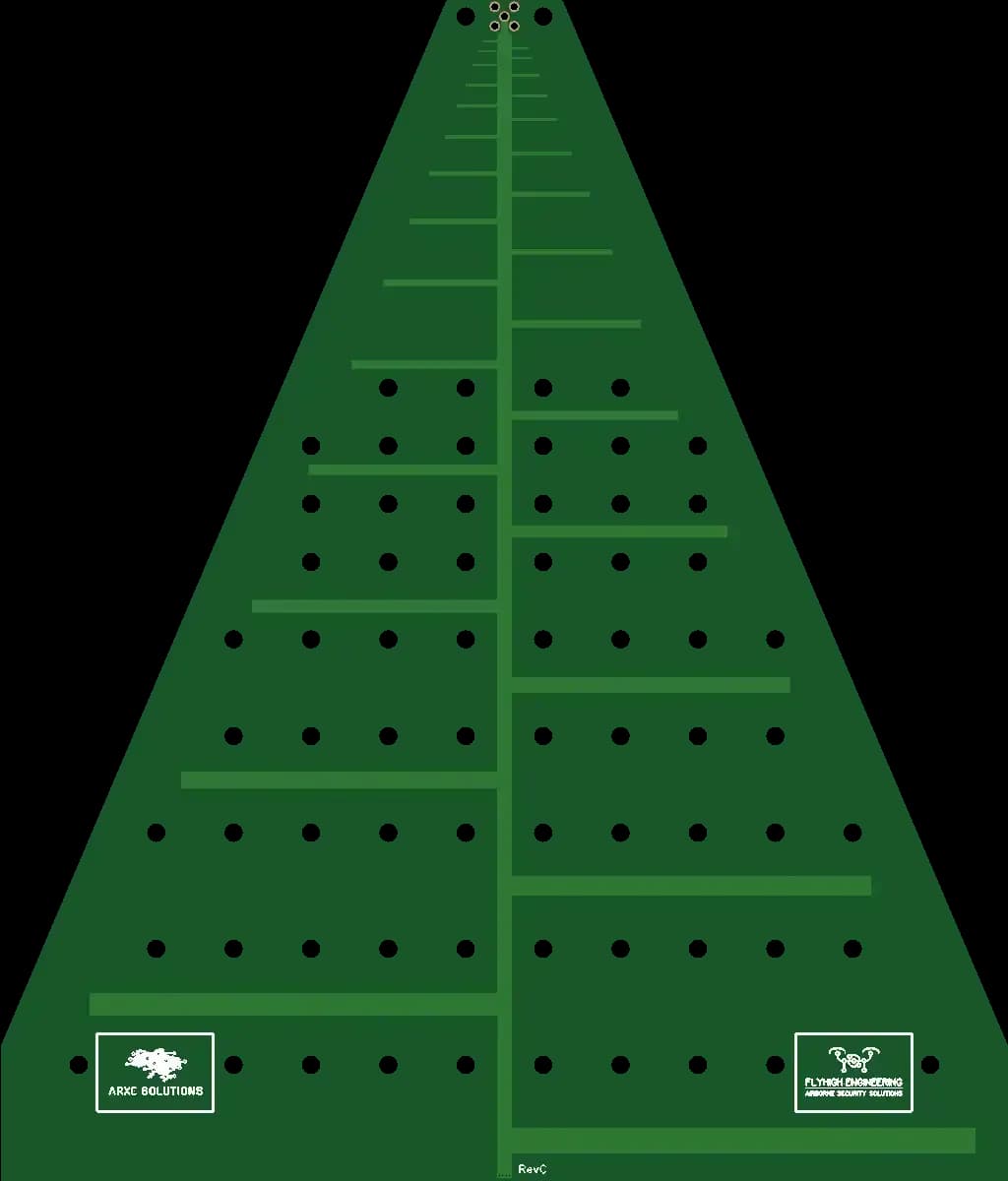
To start, the Sirio SPH-1.5÷6-17 operates reliably without needing tuning to a specific frequency, a major advantage for various wireless technologies. Its standing wave ratio (SWR) of up to 1.8 ensures minimal signal loss, which is critical for connection stability. Made from PTFE dielectric printed circuit board, the antenna reduces losses at high frequencies, crucial for base stations. It can handle a maximum power of 15 W in the 1.5-4 GHz range and 10 W in the 4-6 GHz range.
How Does the Sirio SPH-1.5÷6-17 Solve Coverage Issues?
Effective coverage in high-frequency bands is what makes the Sirio SPH-1.5÷6-17 indispensable. Its design minimizes cable and free-space losses, which are often problematic with high-frequency signals. Importantly, it requires no complex setup, making it user-friendly.
Sirio SPH-1.5÷6-17: The Choice for Modern Networks
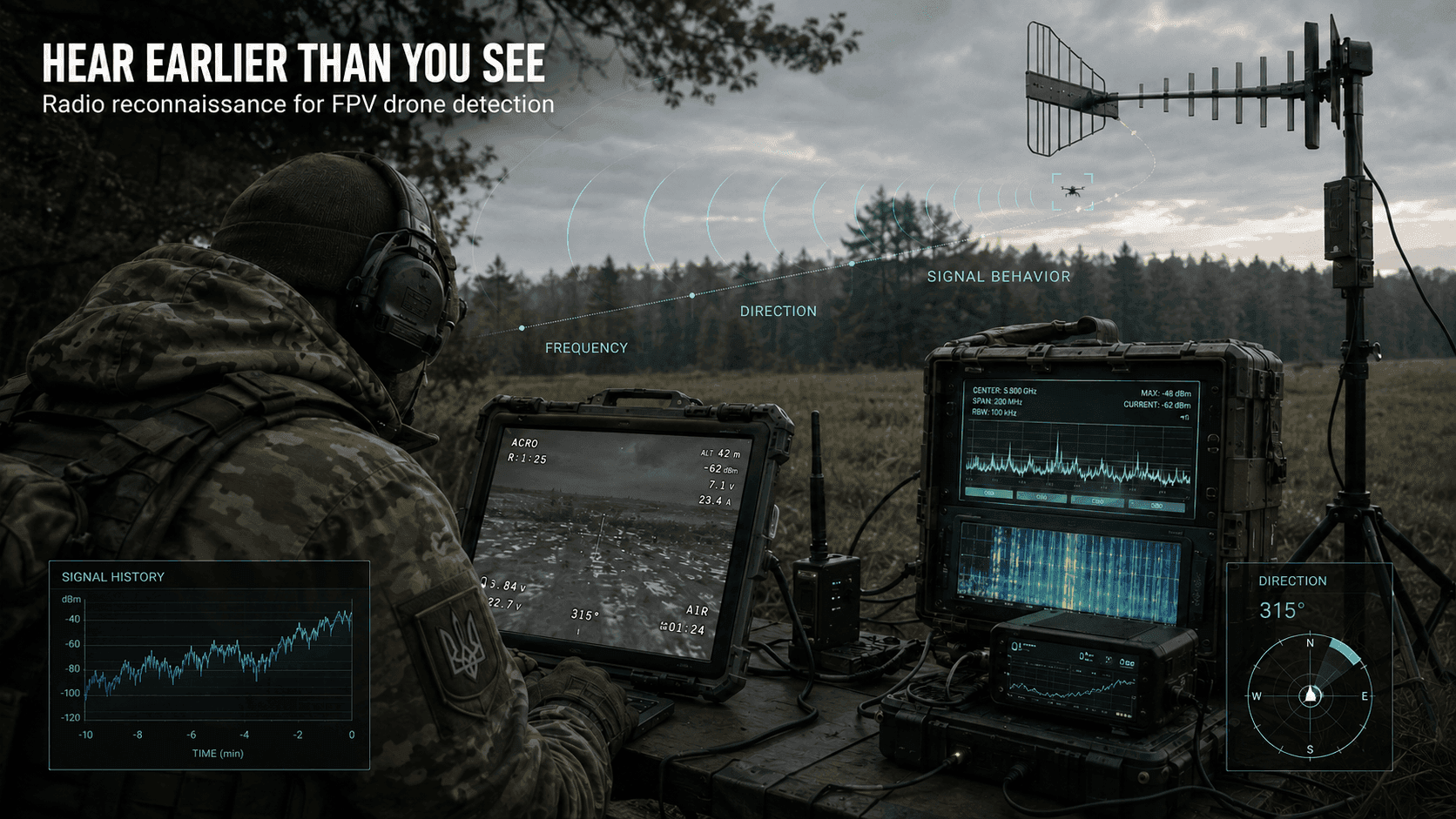
If you're choosing an antenna that can operate across a wide frequency spectrum and maintain signal stability, the Sirio SPH-1.5÷6-17 is your option. It's suitable for many applications, including FPV and radio monitoring, making it a versatile choice for different types of base stations. If you're looking for an antenna that can meet your needs in modern networks, consider the Sirio SPH-1.5÷6-17 broadband antenna.
How to Properly Install the Sirio SPH-1.5÷6-17?
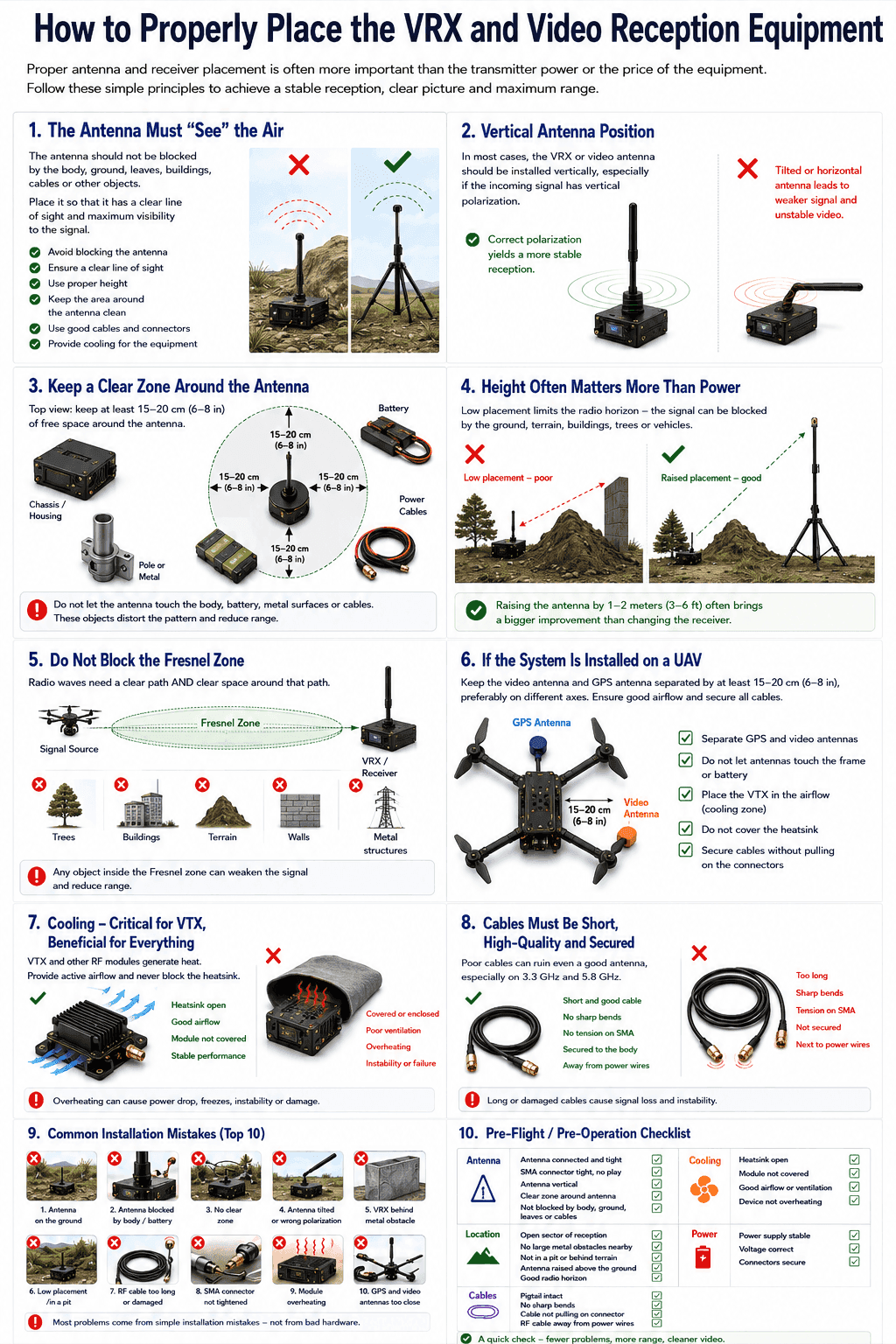
Proper installation of the antenna is crucial for optimal performance. The antenna should be placed at a height that ensures maximum coverage, free from obstructions like buildings or trees. It's important to check that cables are securely connected to avoid signal loss. After installation, measure the SWR to confirm minimal signal loss.
Common Mistakes When Using the Antenna
Users often make mistakes that can significantly reduce the antenna's efficiency. A common issue is incorrect cable connections, which can lead to significant signal loss. It's also important to avoid placing the antenna in areas with high electromagnetic interference, as this can degrade connection quality.
How to Test the Efficiency of the Sirio SPH-1.5÷6-17?
Testing the antenna's efficiency involves measuring the standing wave ratio (SWR) and signal level at different frequencies. This can be done using a spectrum analyzer or specialized SWR measurement equipment. The measurement results should show a stable signal with minimal losses across the entire frequency range supported by the antenna.
Impact of Weather Conditions on Antenna Performance
Weather conditions can affect antenna performance, especially in high humidity or during rain. The Sirio SPH-1.5÷6-17 is moisture-resistant, but it's advisable to check cable connections after heavy rainfall to prevent contact corrosion. It's also important to consider the impact of temperature fluctuations, which can alter the antenna's material characteristics.
How to Avoid Signal Loss in Challenging Conditions
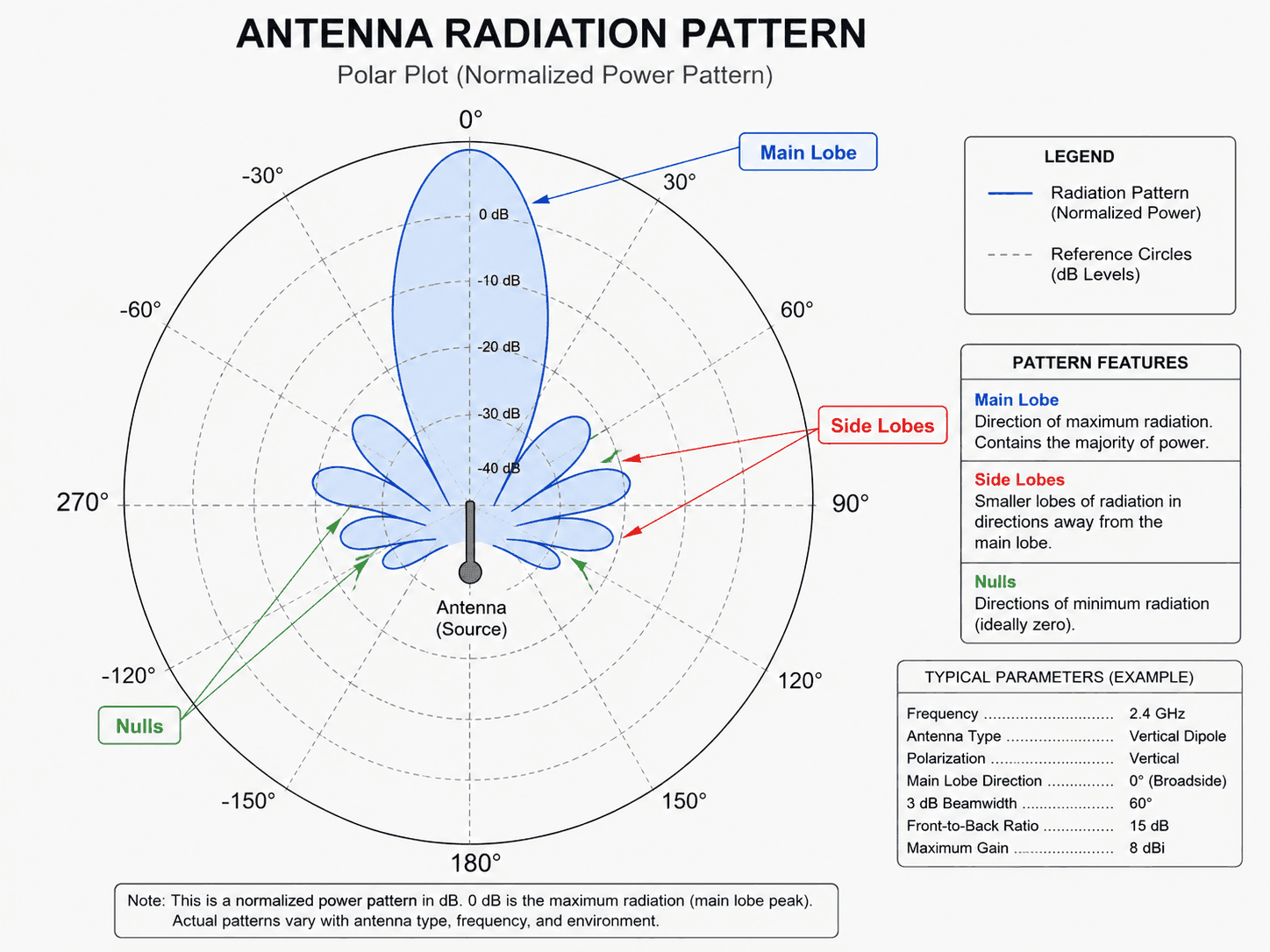
In challenging conditions, such as urban areas or mountainous terrain, it's important to properly orient the antenna. Use a spectrum analyzer to determine the optimal antenna direction. This will help reduce signal loss caused by reflection or absorption of radio waves by buildings or natural obstacles.
Frequently Asked Questions: Everything You Wanted to Know
What Frequency Ranges Does the Sirio SPH-1.5÷6-17 Support?
The antenna supports frequency ranges from 1.5 to 6 GHz, making it suitable for 4G/5G, Wi-Fi, WiMAX, and other wireless technologies.
What Is the Maximum Power of the Sirio SPH-1.5÷6-17 Antenna?
The maximum power is 15 W in the 1.5-4 GHz range and 10 W in the 4-6 GHz range, allowing it to work effectively with high-frequency signals.
Is the Sirio SPH-1.5÷6-17 Suitable for Radio Monitoring?
Yes, thanks to its wide frequency range and ability to reduce signal loss at high frequencies, it is suitable for radio monitoring.
Are Special Settings Required to Operate the Sirio SPH-1.5÷6-17?
The antenna does not require complex settings and can be used immediately after installation, greatly simplifying its integration into existing systems.
If you aim to enhance your base station's performance, consider acquiring the Sirio SPH-1.5÷6-17. Its versatility and reliability make it an excellent choice for modern networks.