OpenIPC and digital FPV: why open firmware changed the rules

A few years ago, putting “FPV” and “good video” in the same sentence felt almost like a contradiction. The analog link gave everyone the same familiar picture: tolerable in the centre of the frame, dissolving into static somewhere near the edge of range. The arrival of digital systems on the open OpenIPC firmware quietly changed that balance — and made affordable what used to live only inside expensive, closed solutions.
Let’s take it calmly: what OpenIPC actually is, why a real community grew around it, and where the technology genuinely works — from Saturday freestyle to tasks where the cost of a mistake is something else entirely.
What OpenIPC is
OpenIPC is an open firmware for cameras built on common SoCs, primarily SigmaStar’s SSC33x series. In short, it turns an ordinary, inexpensive camera module into a flexible video transmitter: you control the codec, bitrate, resolution and low-light behaviour — transparently, because the code is open. No vendor lock-in, no black box you overpay for and then hope the manufacturer won’t change its mind.
That openness isn’t ideology here — it’s a practical advantage. The system can be tuned to a specific channel, specific conditions and a specific task, instead of squeezing the task into the limits of someone else’s closed ecosystem.
Why it matters for FPV
The big shift is the move from analog to digital video. The difference is felt immediately:
- HD clarity instead of analog noise — you see detail, not guesses;
- hardware H.265 — more quality at a lower bitrate, and therefore more range at the same power;
- graceful degradation of the picture near the link limit instead of an instant cut-off;
- flexible tuning to channel and weather — something analog simply cannot do.
And latency stays low enough to fly in real time. A few years ago “low-lag digital on budget hardware” sounded like fantasy — today it’s a working routine.
How the digital link is built
Video here isn’t sent over the usual “connect to an access point” model, but via a broadcast technology over Wi-Fi — wifibroadcast (a popular implementation is WFB-NG). The Wi-Fi card runs in monitor mode and simply “broadcasts” the stream with no association or pings — which is exactly where the stability and range that consumer Wi-Fi can’t reach come from.
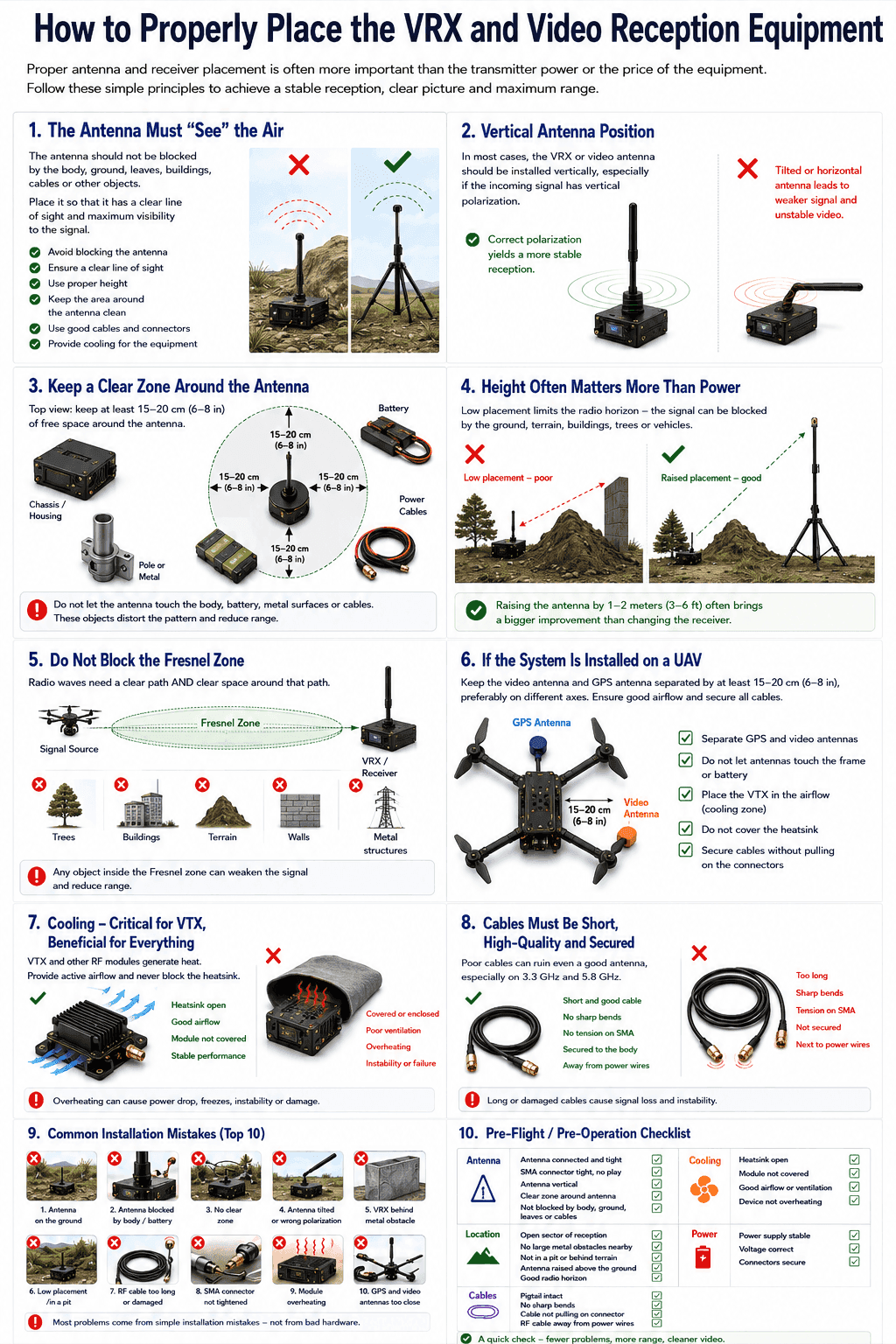
On the ground you set up a receiver: a ready-made one (such as the RunCam WiFiLink-RX), a DIY build on a Radxa Zero 3W, or even a smartphone running PixelPilot — the latter adding around 50–70 ms of latency. The heart of the ground station is Wi-Fi adapters on RTL8812AU / RTL8812EU2 chips. Recording goes to a microSD card — preferably 64 GB or more, since that’s roughly 1 GB per 10 minutes of footage.
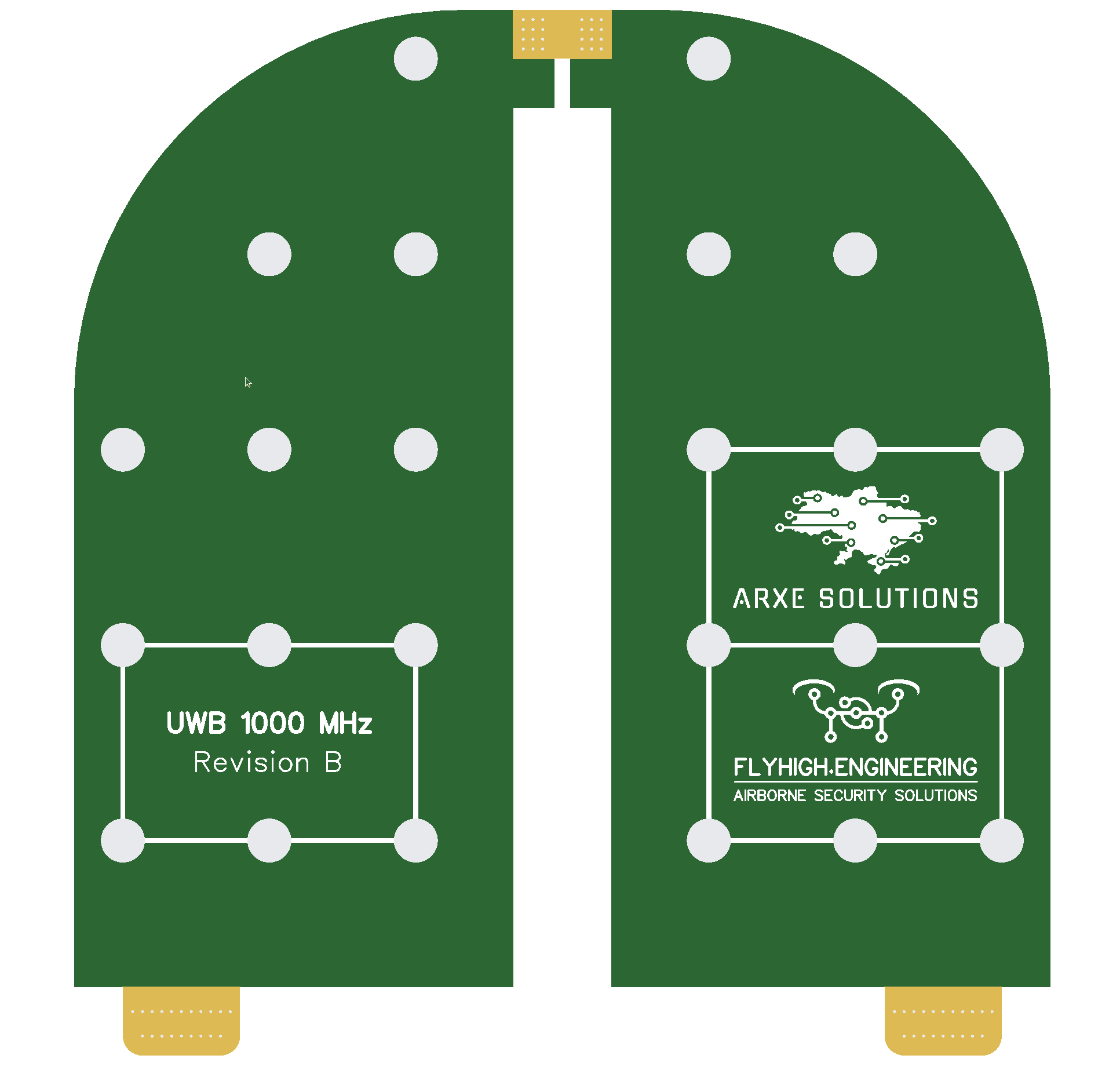
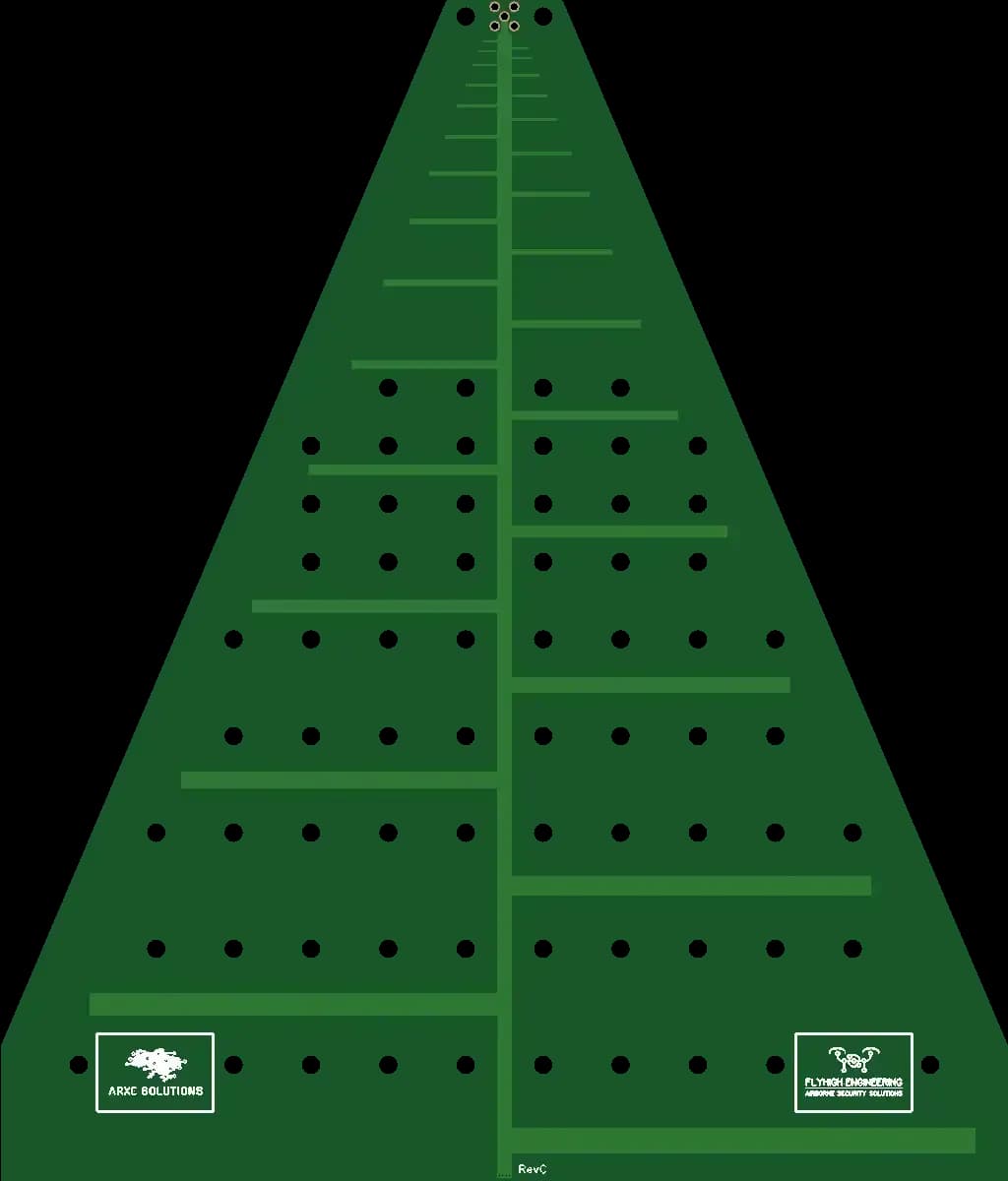
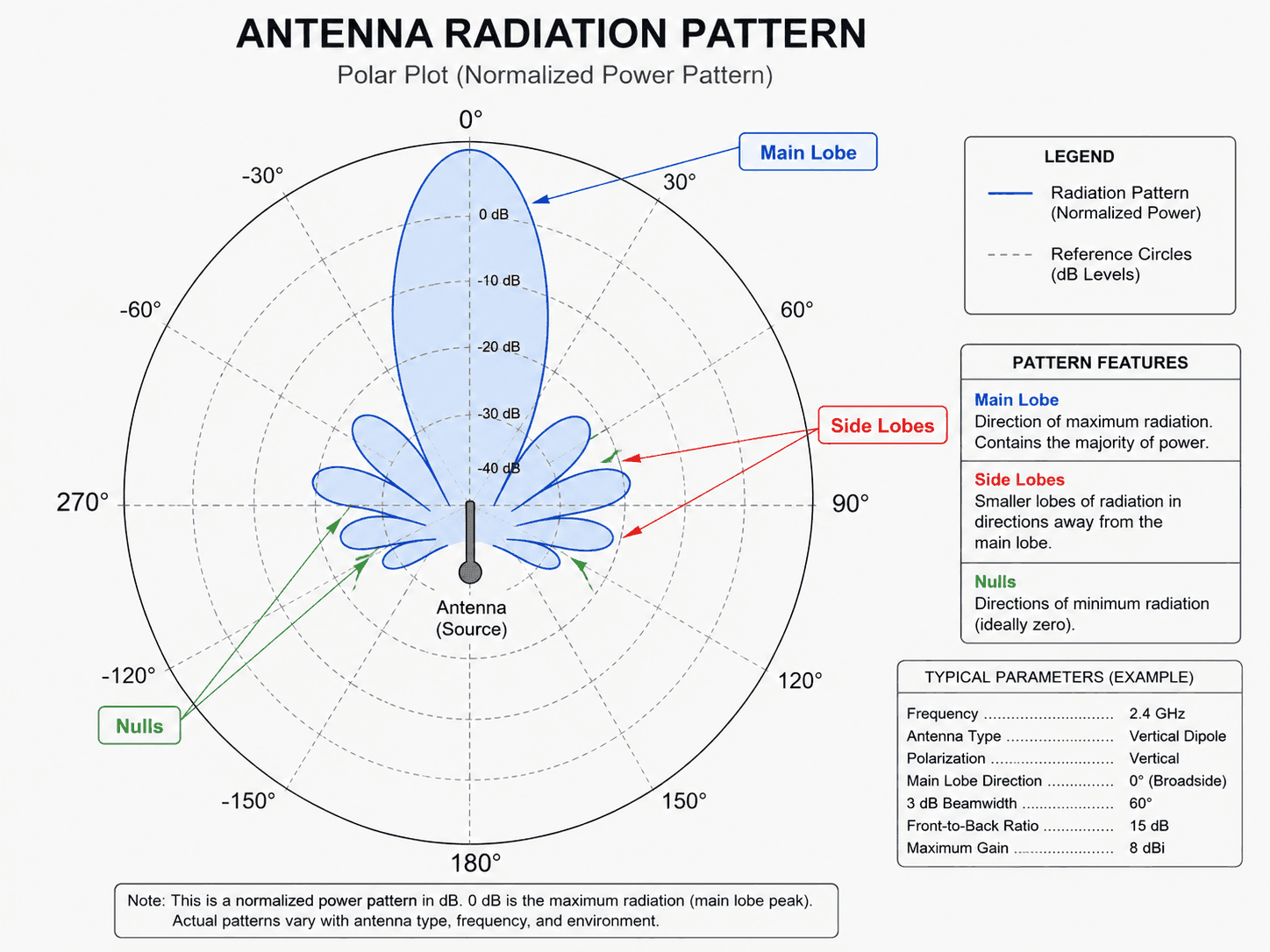
Ground-station antennas are a topic of their own, and the choice runs along two axes. The first is the radiation pattern: an omnidirectional (omni) antenna gives convenient all-round coverage when the aircraft can be anywhere, while a directional one concentrates gain in one direction and “pulls” extra range when you keep it pointed at the aircraft — in practice the two are often combined. The second axis is polarization, which must match on the ground and in the air (for FPV typically circular, LHCP↔LHCP or RHCP↔RHCP). For these roles we offer a broadband 1–8 GHz disc omni antenna and directional log-periodic antennas.
Civilian applications
Beyond racing and freestyle, digital FPV has long been a tool rather than a toy:
- infrastructure inspection — towers, power lines, bridges, roofs and chimneys without scaffolding or risk;
- agriculture and forestry — surveying fields, assessing crops and plantings;
- search and rescue — quickly scanning large areas, including at dusk;
- industrial monitoring and perimeter security;
- mapping and aerial imaging with decent detail.
In all of these it isn’t “a drone for its own sake” that wins, but clear video with acceptable latency and predictable behaviour at range.
Defence and military tasks
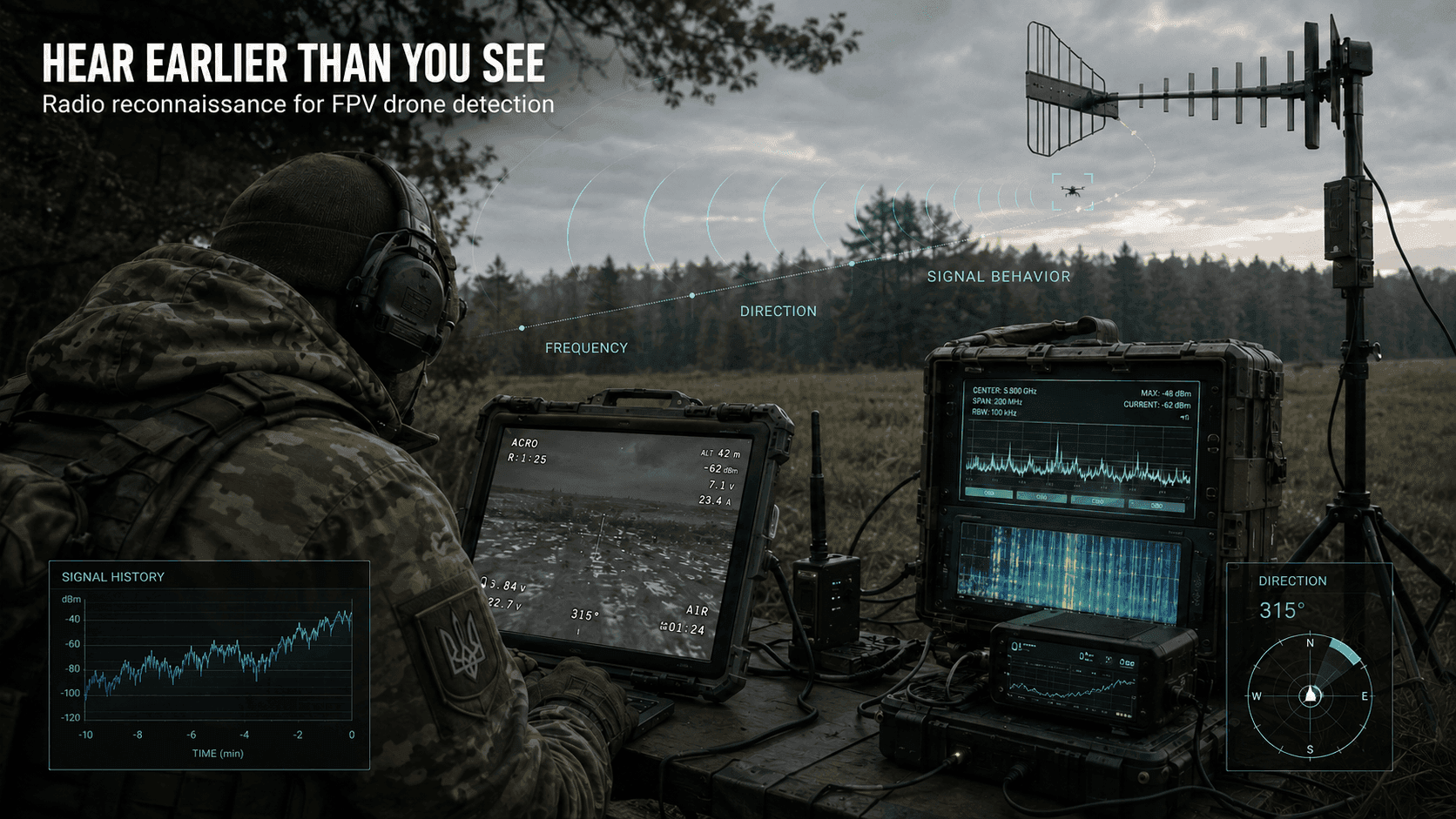
Recent events made obvious what engineers already knew: open digital FPV is a powerful tool for reconnaissance and situational awareness. The same properties matter here, but the price of each is higher:
- detailed video for observation and reconnaissance, where an analog picture simply isn’t enough;
- efficient H.265 — more range without scaling up transmitter power;
- image resilience in a difficult electronic-warfare environment — gradual degradation instead of total loss;
- independence from a single supplier: the system can be adapted to the task quickly, rather than waiting on someone else’s release;
- affordable cost and repairability — critical where the hardware is expendable by definition.
An open platform gives you the main thing — control. Being able to understand, tune and maintain a system in-house is often worth more than any single feature of a closed solution.
The hardware it all starts with
Any such system starts with a camera module. A solid example of a base is a module on the SSC338Q + Sony STARVIS IMX415: a capable SoC, a light-sensitive 8-megapixel sensor, hardware H.265 and proper day/night switching. That combination delivers detail by day and confident performance at dusk — exactly what both hobby and professional builds are based on.
If you’d like to try it hands-on, there’s a clear getting-started guide to begin with — OpenFPV: getting started. It walks you step by step through what to buy and how to assemble your first system and get flying.
Bottom line
OpenIPC made digital FPV accessible — and that, perhaps, is the main point. Openness, low latency, an efficient codec and inexpensive hardware add up to a combination that serves the enthusiast, the practising engineer, and the places where results aren’t measured in likes. And it all starts, as always, with the right module.