Bandwidth vs. Peak Efficiency: Antenna Selection
Choosing an antenna solution is never about which metric looks best on paper. In reality, the requirements of the operating bandwidth dictate your choice. This is a classic trap for any radio system: do you need maximum efficiency within a narrow band, or must you ensure stable operation across a wide spectrum?
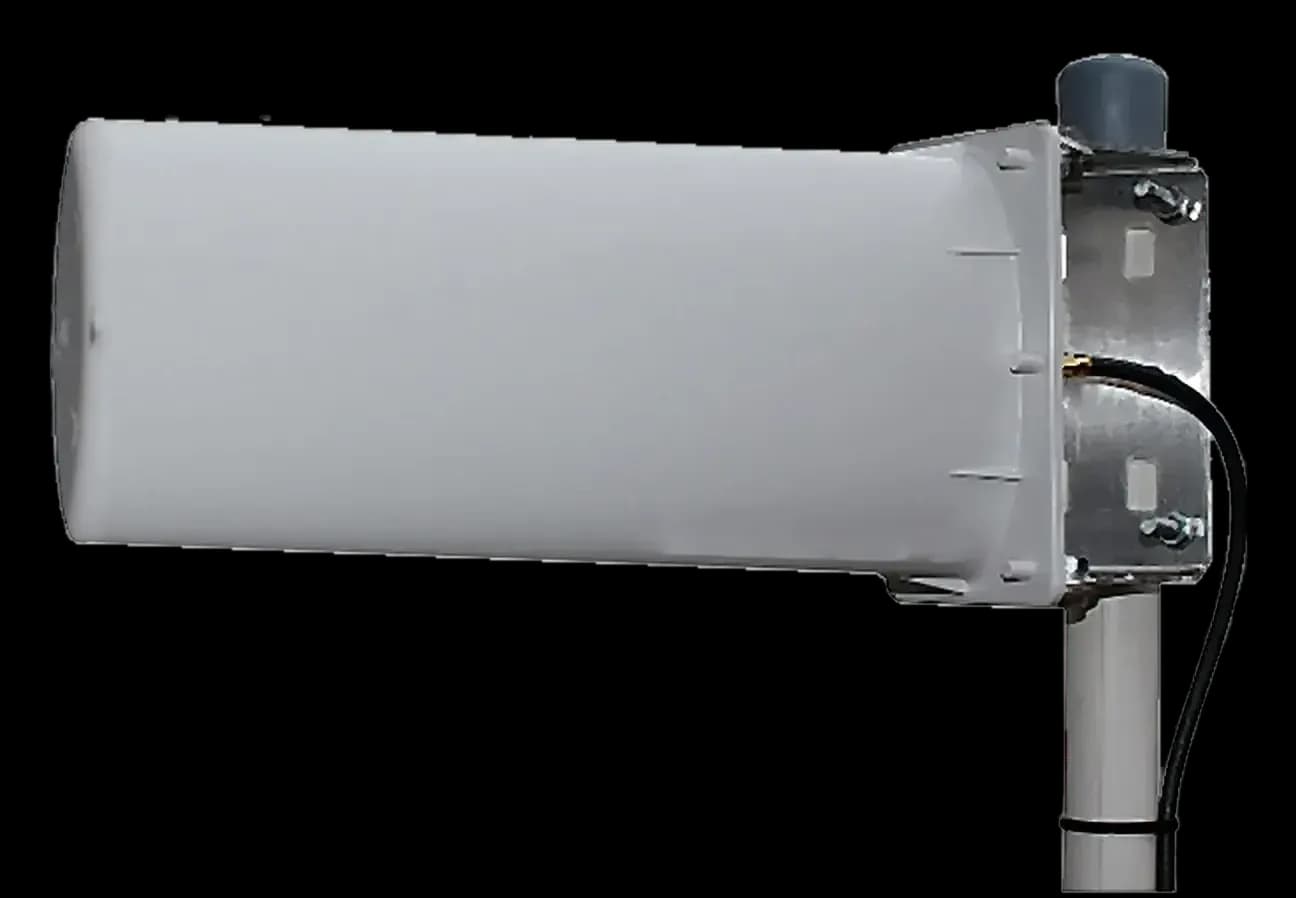
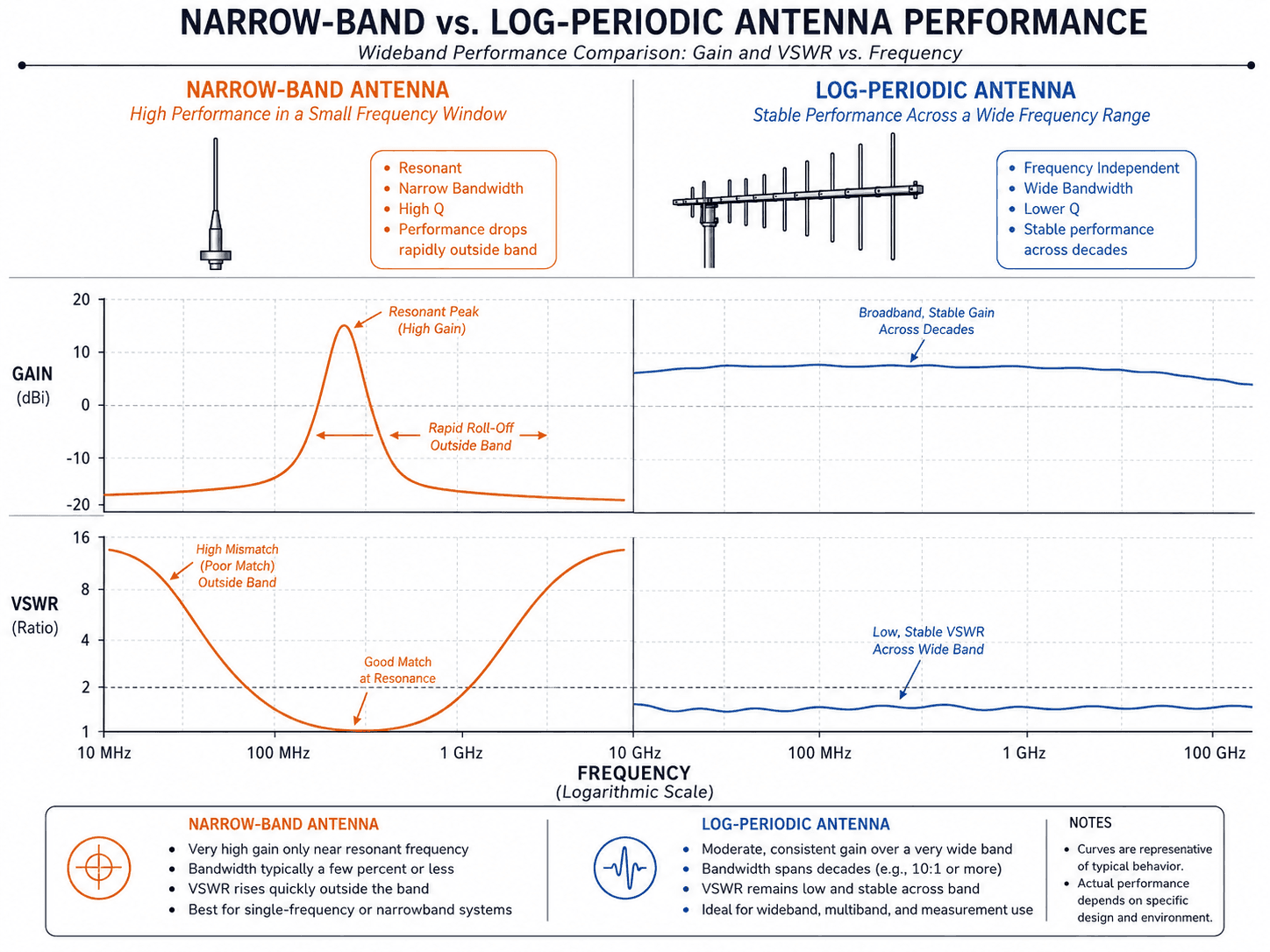
If the requirement is crystal clear — say, we are only working in the 2.4 GHz ± 10 MHz range — then narrowband antennas are simply unmatched. They are optimised for that specific “target,” and their advantage is obvious: at the resonant frequency they deliver peak efficiency, the VSWR is extremely close to one, and the energy is directed very sharply. If your system is, say, a high-precision radar that only needs to see within certain channels, you need this kind of “focused” power. However, this success comes with a huge caveat: extreme sensitivity to any frequency deviation. Shifting it even 10% off resonance can cause the gain to drop by tens of decibels or significantly degrade the VSWR.
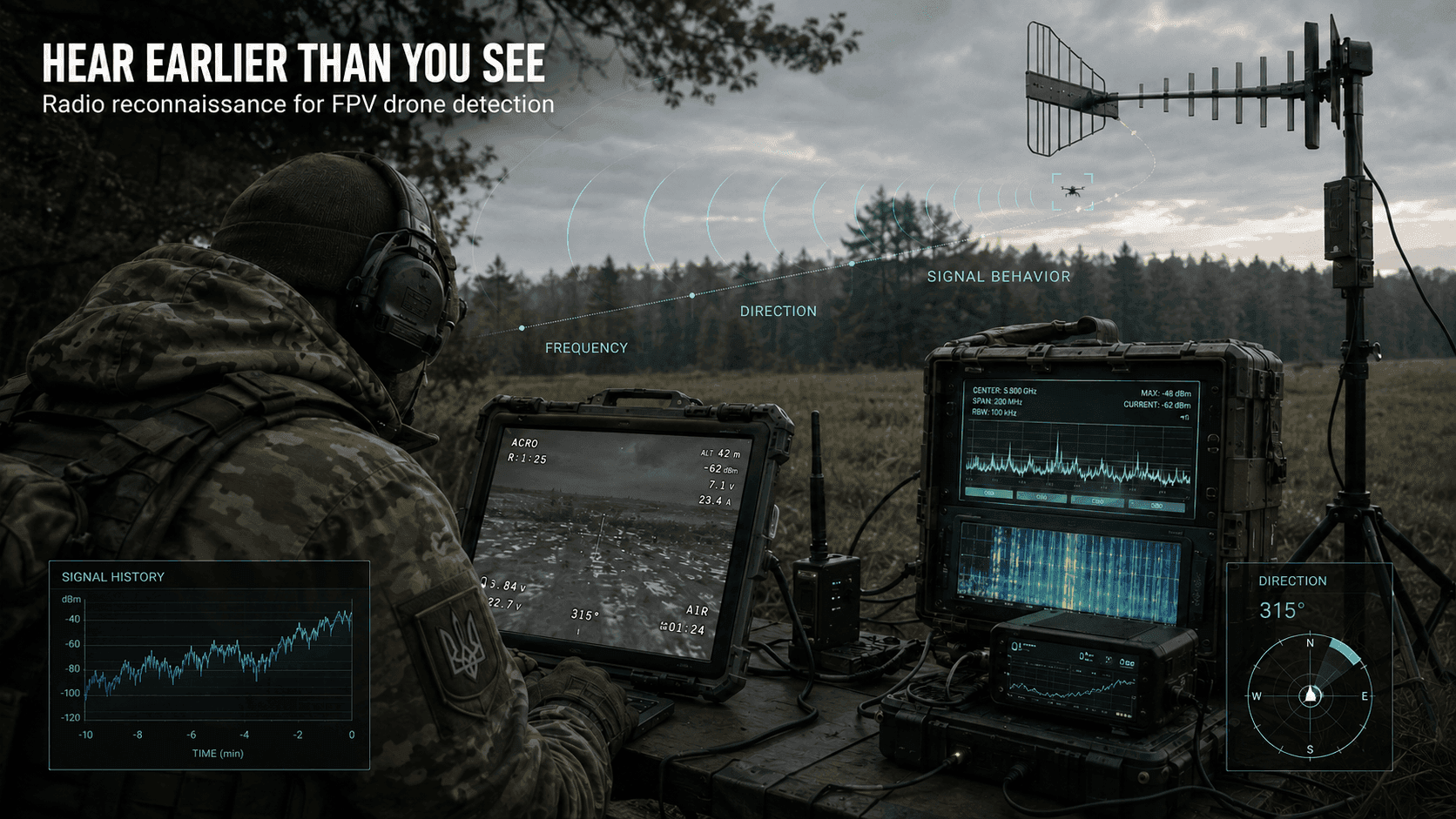
But what if we need coverage? This is where Log Periodic Dipole Antennas (LPDAs) come into play. They have become almost a direct answer to the weakness of narrowband systems, especially when it comes to monitoring or electronic warfare (EW). Their main selling point is precisely this wide-bandwidth capability. These antennas are designed so that the characteristic length of their radiating elements changes gradually, following a logarithmic relationship with frequency. This guarantees a certain “stability” in parameters — gain and VSWR don’t jump around within the stated range. I find this critically important for radio monitoring or communications that have to scan the spectrum across very diverse frequencies. For instance, if we need to cover from 500 MHz up to 2700 MHz for an EW complex, a series of narrowband antennas would require too many individual elements, or we’d be limited in range.
Of course, there are nuances. If you need an ultra-wideband signal — for certain types of radar, for example — using a pure LPA can cause issues due to potential significant phase accumulation across different components. And don’t forget the input impedance: it isn’t universal and varies from 50 to 120 ohms depending on the specific implementation.
What about practical selection? If your work involves deep spectrum analysis at the edge of the known and the completely unknown (i.e. scanning), then an LPA will be your tool. Look, for example, at our log-periodic antenna for 530–6000 MHz — it demonstrates this ability to cover dozens of bands in a single physical housing. But if you know you’ll only be operating within a narrow window — say, just 2.4 GHz for Wi-Fi — then don’t waste time and money on that “universal” log-periodic unit: a standard Yagi or patch optimised for that exact frequency will do.
Before buying anything, I always tell people to write down the answers to a few questions. What are the critical operating bands? What is the maximum allowable deviation in gain and VSWR within that range? Is maintaining peak efficiency at a single, known frequency critical for you — or do you need universal coverage, or is simple optimisation for the operating window enough?